Plant Care
Fall Tulip Bulbs
7 min read
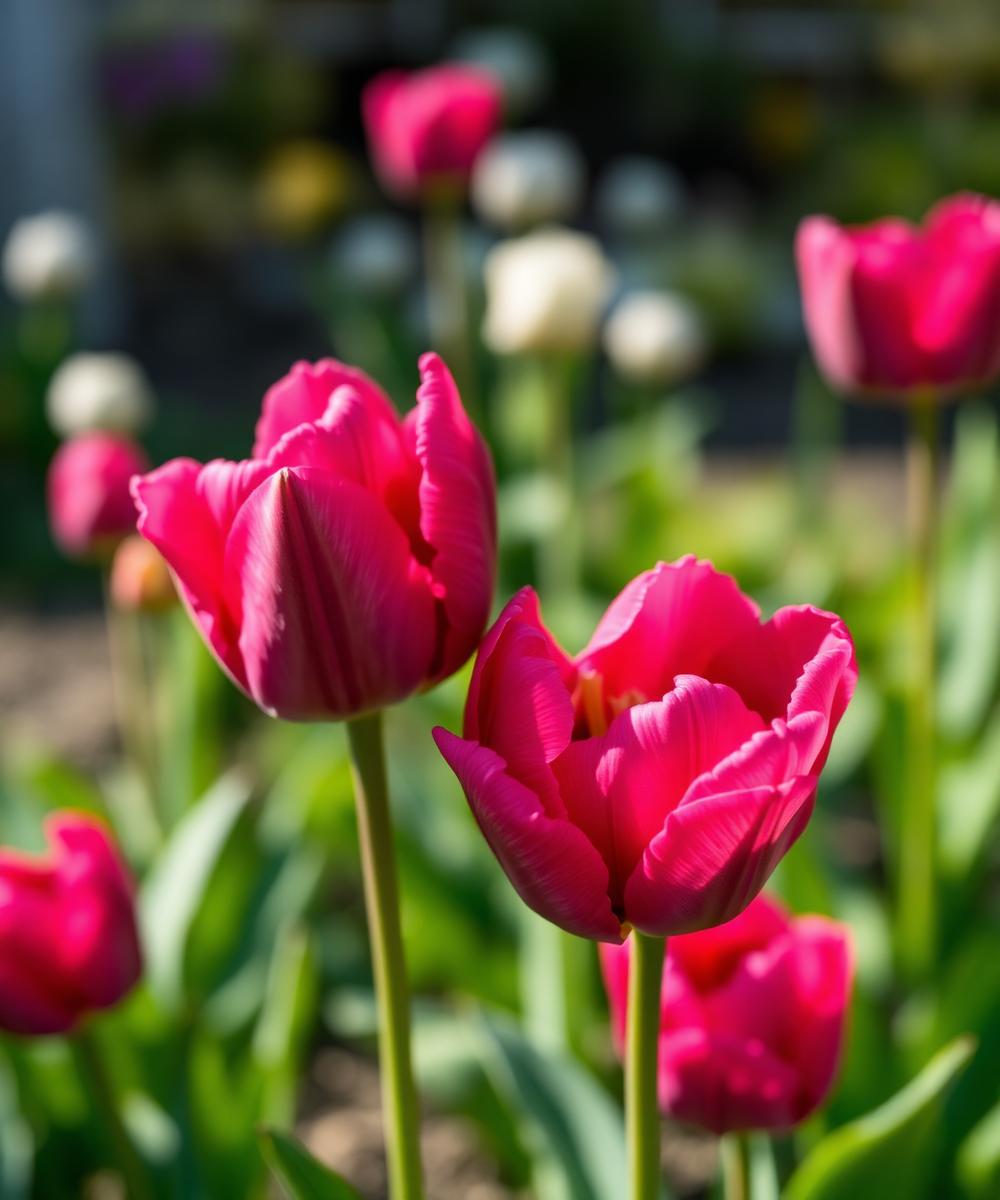
Tulips are an autumn ritual. Bulbs go in the ground while the air cools and the soil is still workable, then quietly root through winter before throwing their bloom in spring. Done well, double tulips rival peonies for form and depth. Here is exactly how we plant and tend ours on the farm.
When to Plant
Plant tulip bulbs in the fall, once soil temperatures have dropped below 55°F at a depth of 6 inches. In most of the country this falls between mid-October and early December. The goal is cool enough that the bulbs won't push top growth, but warm enough that roots can establish before the ground freezes.
Bulbs need 12–16 weeks of sustained cold (below 45°F) to bloom properly. In zones 8 and warmer, you'll need to pre-chill bulbs in the refrigerator for 10–14 weeks before planting — keep them away from ripening fruit, which releases ethylene gas and damages the flower inside.
- Zones 3–5: plant late September through mid-October.
- Zone 6: plant mid-October through early November.
- Zone 7: plant early November through early December.
- Zones 8+: pre-chill 10–14 weeks, then plant in December or January.
Site and Soil
Choose a sunny spot — minimum 6 hours of direct sun in spring before deciduous trees fully leaf out. Tulips demand sharp drainage; sitting in wet winter soil is the single most common reason bulbs rot before they ever bloom.
- Work 2–3 inches of finished compost into the top 10 inches of soil before planting.
- If your soil is heavy clay, raise the bed 4–6 inches or amend with coarse sand and compost to improve drainage.
- Skip planting in low spots where water collects after rain or snowmelt.
- Avoid planting where tulips grew the previous 2–3 years to reduce disease pressure.
Planting Depth and Spacing
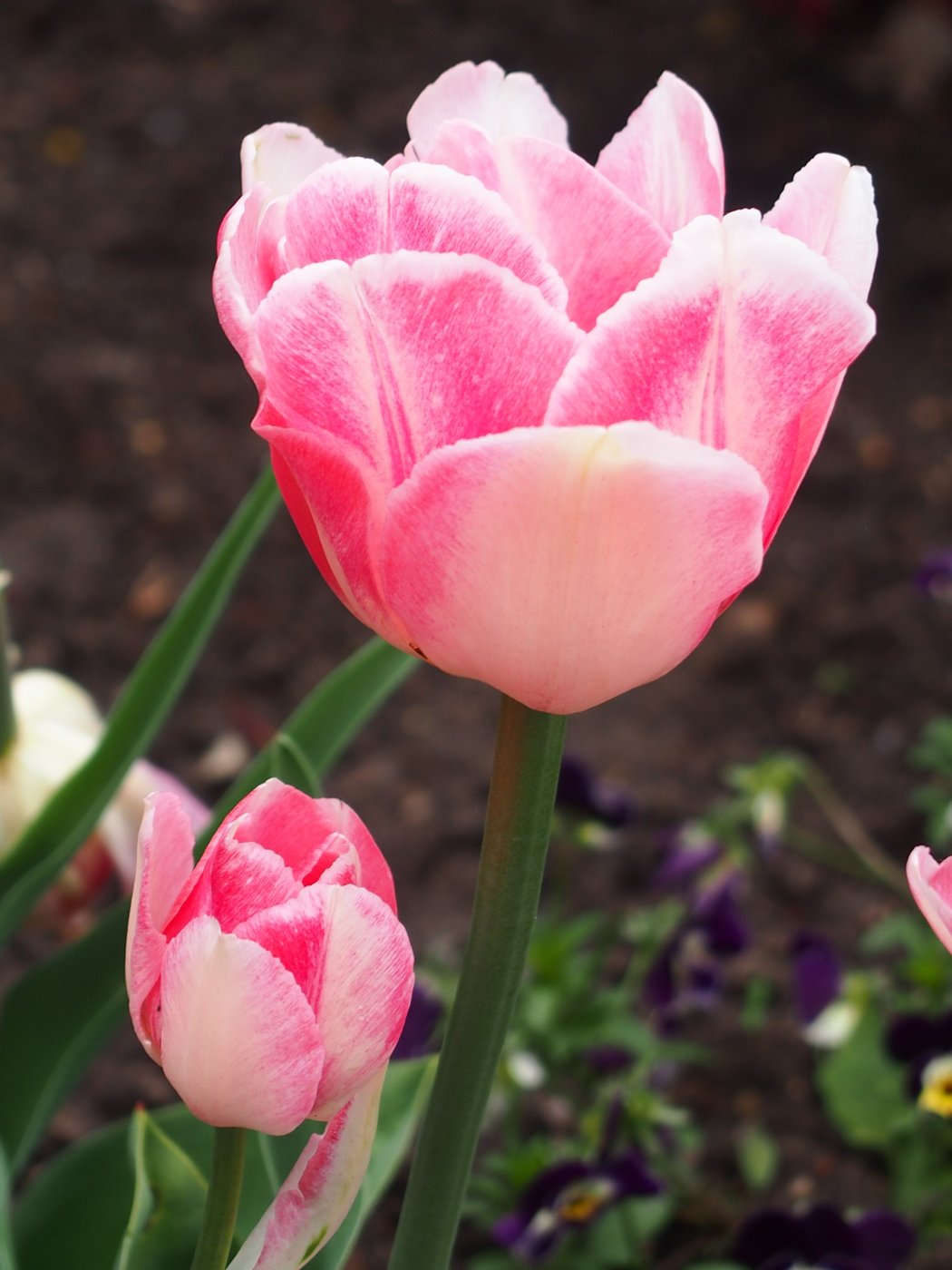
The rule of thumb is to plant bulbs 3 times as deep as the bulb is tall — for most standard tulip bulbs that means 6–8 inches deep, measured from the base of the bulb to the soil surface. Deeper planting (8 inches) helps bulbs perennialize and protects them from squirrels and voles.
- Plant pointed end up, flat root plate down.
- Space bulbs 4–6 inches apart on center for cut-flower beds, 5–7 inches for landscape display.
- For the most natural look, plant in clusters of 7, 9, or 11 — never in straight single-file rows.
- Toss a tablespoon of bone meal or bulb fertilizer in the bottom of each hole, then cover with an inch of soil before setting the bulb so the roots aren't touching fertilizer directly.
- Water in deeply once after planting to settle the soil and trigger rooting.
Winter Protection
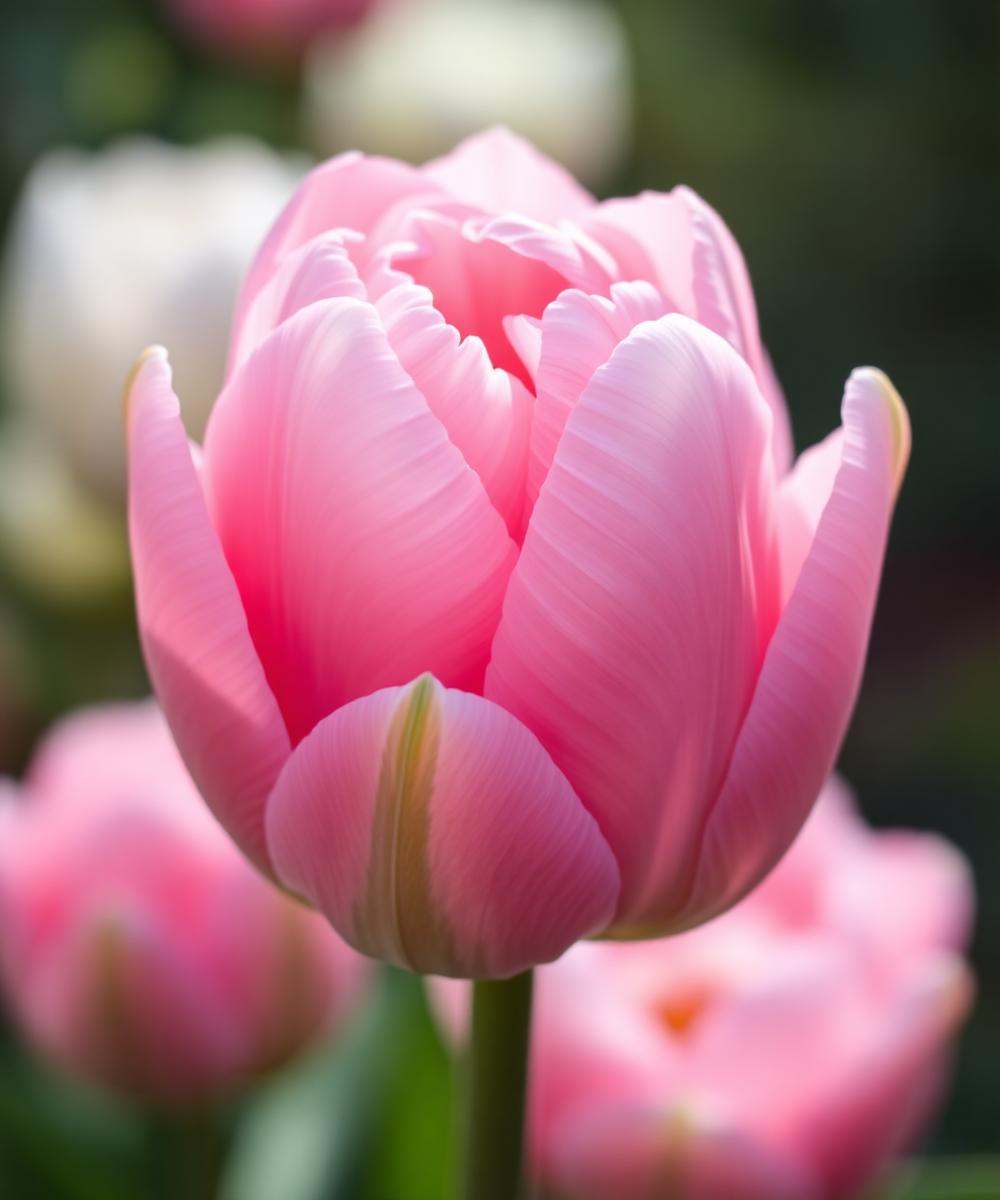
Once the ground has frozen at the surface (usually after Thanksgiving in cold zones), mulch the bed with 2–3 inches of shredded leaves, straw, or pine needles. The mulch isn't to keep the bulbs warm — it's to keep soil temperatures even, preventing the freeze-thaw cycles that heave bulbs to the surface.
If voles or squirrels are a problem, lay a sheet of 1-inch chicken wire over the bed at planting and pin it down. The shoots push through easily in spring; the rodents do not.
Spring Care
When you see the first green tips emerging in late winter, pull the mulch back to a thin layer so shoots can come through cleanly. Tulips need very little spring feeding — a light top-dress of balanced organic fertilizer (5-10-10 or similar) just as shoots emerge is plenty.
Water deeply once a week if spring rainfall is below an inch. Avoid overhead watering once buds show color — wet petals bruise and invite botrytis.
Cutting
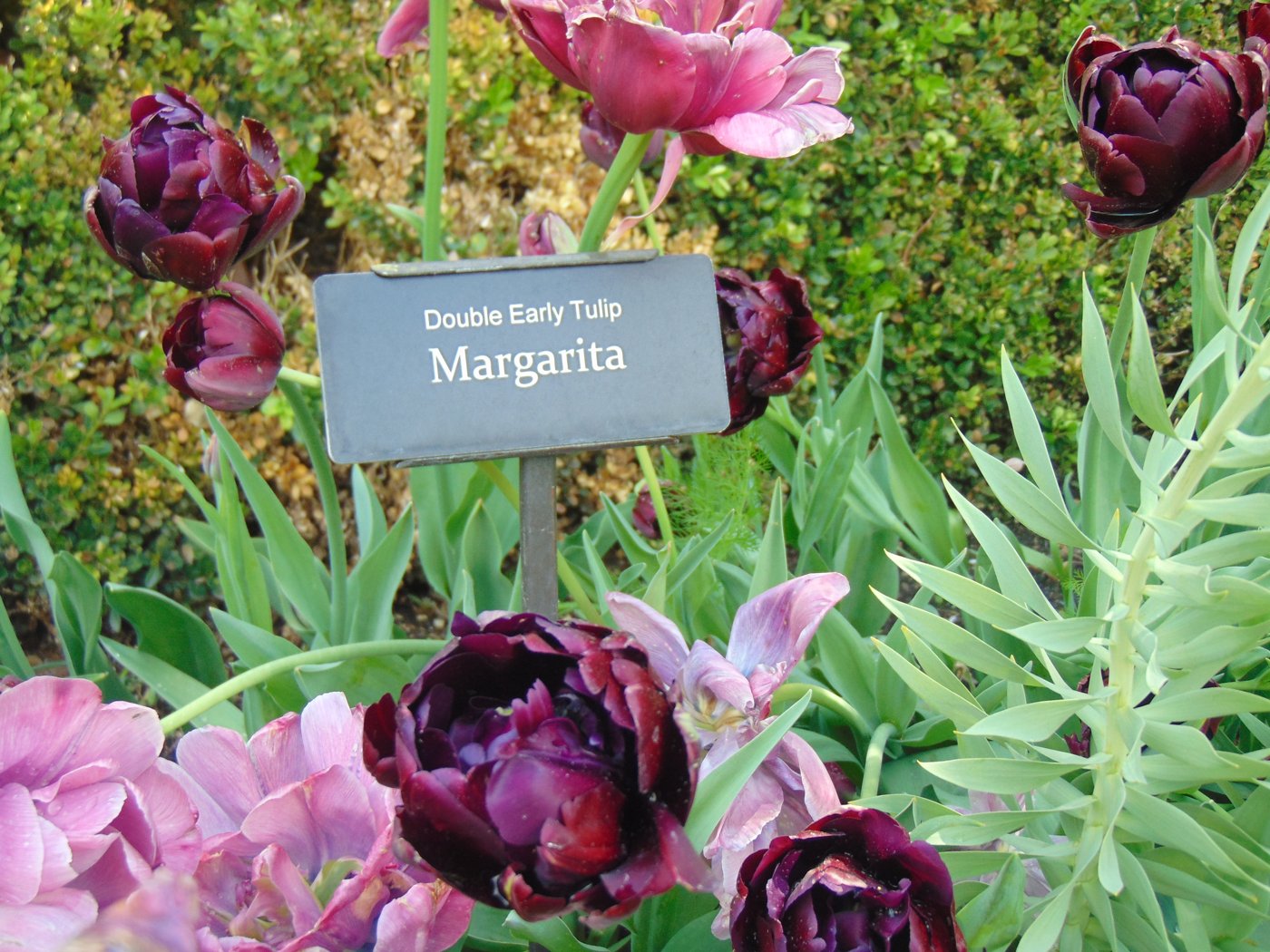
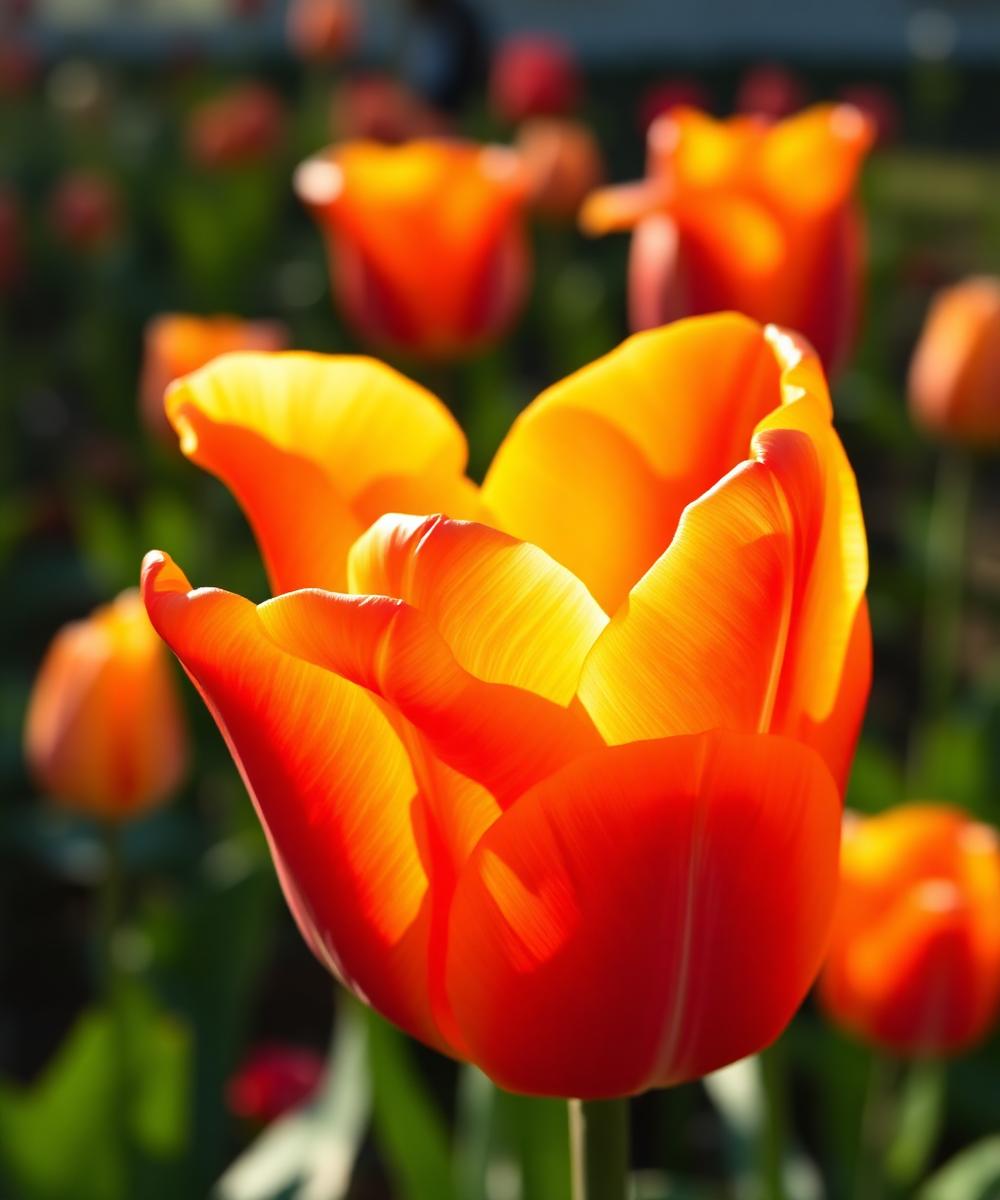
Cut tulips for the vase at the colored-bud stage, when the bud has fully colored up but hasn't opened. Cut early in the morning when stems are firmest. Tulips continue to grow 1–2 inches in the vase, so leave headroom in your arrangement.
For maximum vase life, cut with as much stem as possible (including the white base, which is firmer than the green stem) and place immediately in cool clean water. Strip any leaves below the waterline. Recut stems every 2–3 days.
After Bloom
On the farm we treat tulips as annuals — most double and specialty varieties give their best performance the first spring and decline noticeably in years 2 and 3. We pull the bulbs after bloom, compost them, and replant fresh stock each fall.
If you want to try perennializing in the garden, deadhead spent blooms immediately to stop seed production, then leave the foliage in place until it yellows and dies back naturally (usually 6 weeks after bloom). Do not braid, tie, or cut green leaves — the bulb is feeding itself for next year through those leaves. Once foliage is fully yellow, cut it at ground level.
Common Problems
Most tulip failures trace back to one of three causes: bulbs planted too shallow, soil that stays wet through winter, or insufficient cold period (especially in warm zones). Diagnose by digging a failed bulb — a mushy brown bulb means rot from wet soil; a firm bulb with no shoot means insufficient chilling; a bulb close to the surface means it heaved and froze.
- Squirrels and voles: chicken wire over the bed at planting, or interplant with daffodils which rodents dislike.
- Botrytis (tulip fire): rotate planting locations, remove infected foliage immediately, and avoid overhead watering.
- Short stems: usually a sign of insufficient chilling — pre-chill bulbs longer the following year.
- No bloom in year 2: normal for double and parrot varieties; treat as annuals or accept smaller blooms.
Keep reading
More care guides.
Care Guide
Garden Roses
A complete guide to planting, feeding, and pruning fragrant repeat-blooming garden roses.
Care Guide
Peonies
Long-lived heirloom peonies thrive on patience, proper depth, and almost no fuss once established.
Care Guide
Dahlias
From spring planting through fall lifting and winter storage — the full dahlia year on the farm.