Plant Care
Garden Roses
8 min read
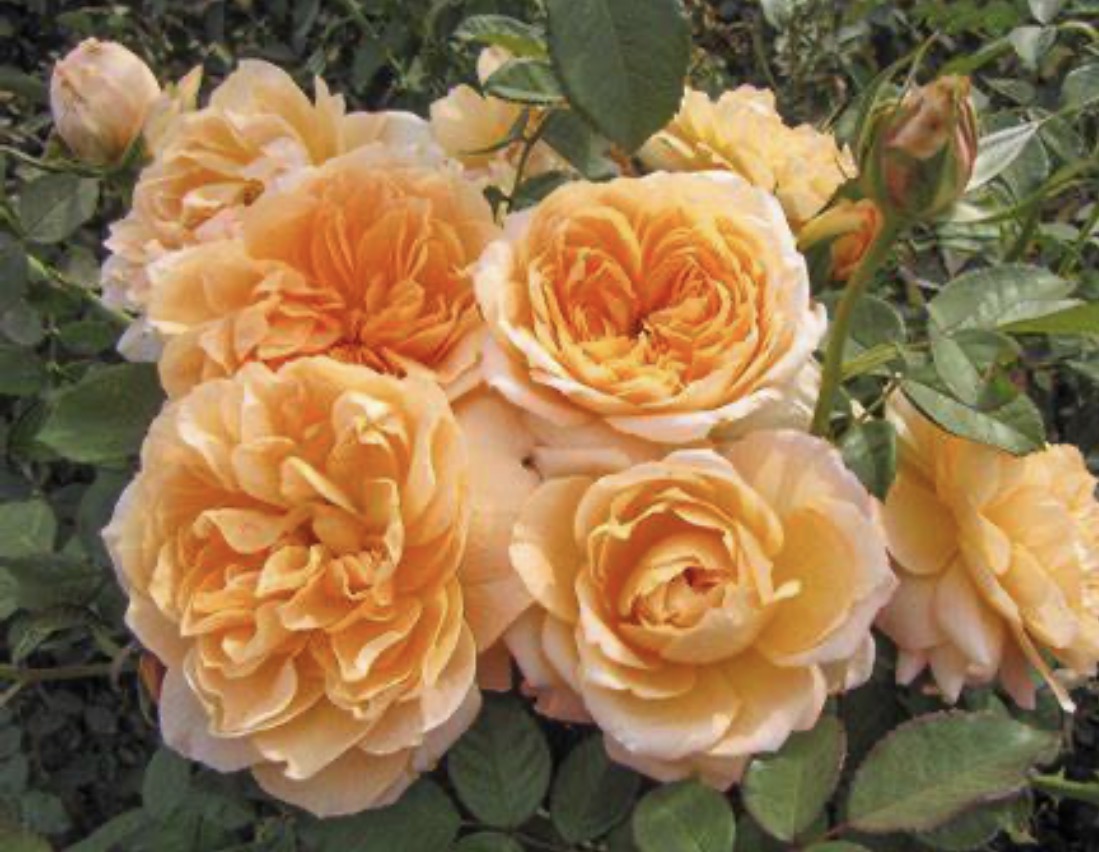
Roses reward patience. Given a well-prepared bed, consistent feeding, and a thoughtful annual prune, a healthy bush will repeat-bloom for decades. This guide covers what we do on the farm — from the first bare-root planting through the dormant winter cut.
Planting
The best window for planting bare-root roses is late winter to early spring — once the ground is workable but before bud break. Container roses can go in any time the soil isn't frozen, though spring and early fall give the strongest establishment.
Choose a site with at least six hours of direct sun and good airflow. Dig a hole roughly 18 inches deep and 18 inches wide. Amend native soil with two shovelfuls of finished compost and a half cup of bone meal worked into the bottom of the hole.
- Soak bare-root plants in a bucket of water for 4–12 hours before planting.
- Position the graft union 1–2 inches below soil level in cold climates (zones 3–6), at or just above soil level in warmer zones.
- Backfill, water deeply to settle, then mound 4–6 inches of soil or mulch over the canes for the first two weeks to prevent cane dry-out.
- Space shrub roses 3 feet apart, climbers 5–6 feet, and miniatures 18 inches.
Watering
Roses prefer deep, infrequent watering over light daily sprinkles. Aim for one inch per week during the growing season, doubled in heat above 90°F. Water at the base in the morning — wet foliage overnight invites black spot and powdery mildew.

Fertilizing
Roses are heavy feeders. We work a balanced organic granular (something close to 5-5-5 or 4-6-4) into the top inch of soil three times a season:
- First feed: when new leaves are the size of a quarter in spring.
- Second feed: after the first flush of bloom finishes, typically late June.
- Third feed: mid-July to early August — never later than 6 weeks before your first expected frost, or you'll push tender growth into winter.
- Side-dress with a half cup of alfalfa meal in spring for a gentle growth hormone boost. Top with 2 inches of compost mulch each spring.
Pruning
The main pruning happens in late winter, just as forsythia blooms in your area. Use clean, sharp bypass pruners and make every cut at a 45° angle, about a quarter inch above an outward-facing bud.
- Remove all dead, damaged, and crossing canes first.
- Open the center of the plant to improve airflow — picture a vase shape.
- On hybrid teas and floribundas, cut remaining canes back by one-third to one-half, leaving 4–6 strong canes 18–24 inches tall.
- On shrub and English roses, prune by one-third and shape lightly — they bloom on both new and older wood.
- Climbers: prune only side shoots back to 2–3 buds; preserve the long structural canes.
- Deadhead through the season by cutting back to the first outward-facing five-leaflet leaf to encourage rebloom.
Pests and Disease
Prevention is far easier than treatment. Keep foliage dry, clean up fallen leaves religiously, and don't crowd plantings. A weekly spray of diluted neem oil in the early season helps with aphids and prevents fungal pressure. For Japanese beetles, hand-pick in the cool morning and drop in soapy water — traps tend to attract more than they catch.
Winter Care
In zones 6 and colder, mound 8–10 inches of soil, shredded leaves, or straw over the base of grafted roses after the first hard freeze. Remove gradually in spring once nighttime temperatures stay above freezing. Own-root roses are far more forgiving and rarely need protection past zone 5.
Keep reading
More care guides.
Care Guide
Peonies
Long-lived heirloom peonies thrive on patience, proper depth, and almost no fuss once established.
Care Guide
Dahlias
From spring planting through fall lifting and winter storage — the full dahlia year on the farm.
Care Guide
Fall Tulip Bulbs
Planting, chilling, and aftercare for double tulips and specialty bulbs — from fall ground-in through spring bloom.