Rose Care
Powdery Mildew on Roses: Prevention and Fall Care
September 2026 · 7 min read
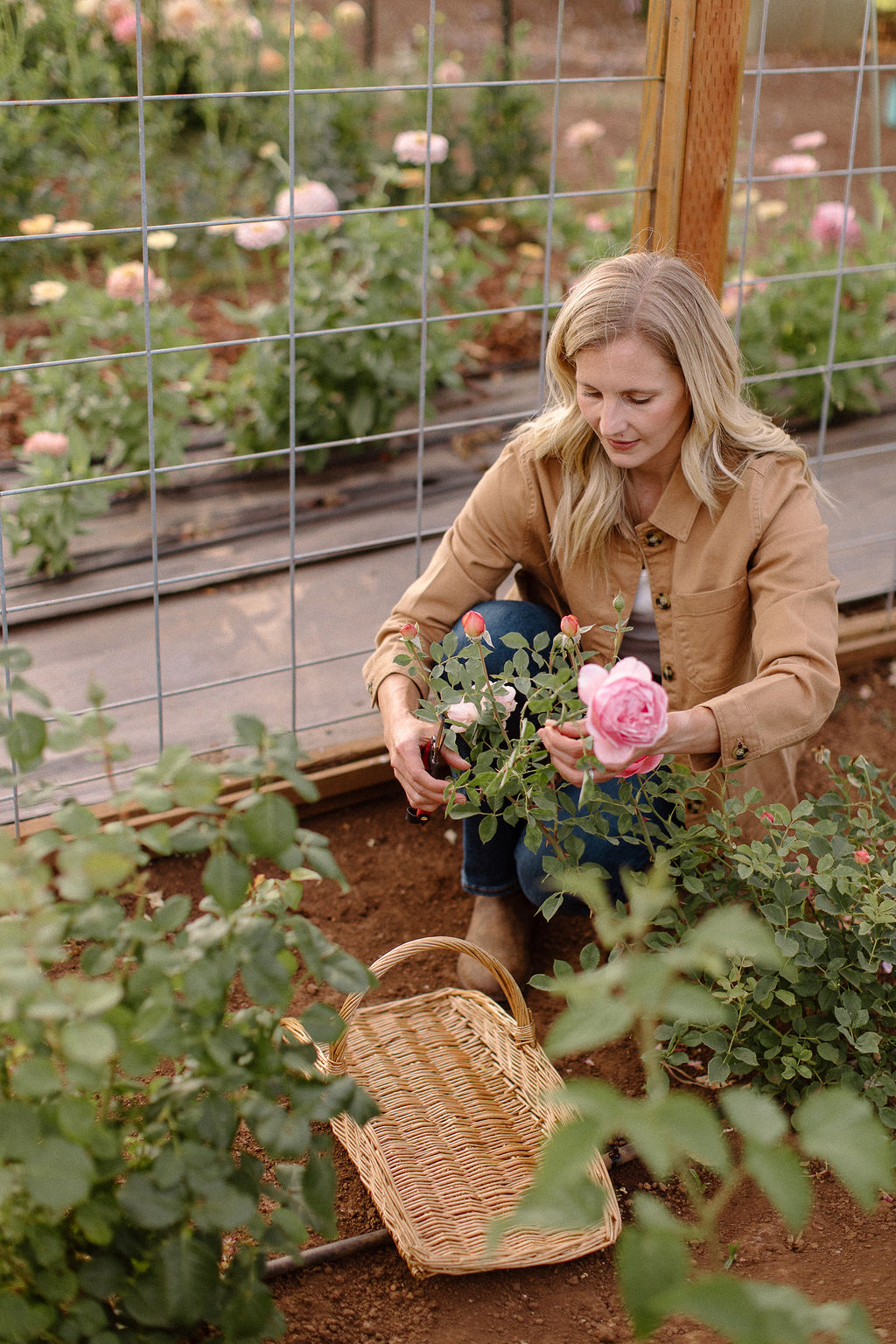
After a particularly wet beginning to September, we had a warm spell at the end of the month—and powdery mildew appeared on some of my roses. The timing felt surprising until I looked more closely at the conditions the fungus prefers.
Powdery mildew often arrives when days are warm, nights are cool, and the air stays humid around tender new growth. It does not need standing water on a leaf to infect it. In fact, a stretch of rain followed by mild, dry days can create just the pattern it likes: lush growth, high humidity, heavy dew, and slowly drying foliage inside a crowded plant.
If you are gardening in the Willamette Valley, the Pacific Northwest, or another wet or marine climate, the goal is not to create a perfectly dry garden. It is to help the leaves dry, reduce the amount of fungus carried into winter, and begin next spring with less pressure.
How to recognize powdery mildew
Look for a white or pale gray powder on young leaves, shoots, buds, and sometimes stems. New leaves may curl, wrinkle, or look stunted before the white coating becomes obvious. An affected rose can keep growing, but a severe infection reduces the healthy leaf surface it needs to store energy.
Powdery mildew is different from black spot. Black spot makes dark, fringed lesions followed by yellowing and leaf drop; powdery mildew looks as though flour has been dusted over the plant. Identifying the problem matters because the conditions and treatment timing are not quite the same.
Prevention begins with airflow
Give each rose breathing room. Space roses according to their mature size rather than their size in the nursery pot. Keep neighboring perennials from pressing into the lower canes, and avoid placing a susceptible rose in a still, shaded corner against a wall or fence.
Let in light without over-pruning. In late winter, remove crossing, damaged, and weak interior growth so light and air can move through the plant. During the growing season, take out a congested shoot when necessary, but do not strip a rose of the foliage it needs to build strong roots.
Water the soil, not the evening foliage. Water deeply at the base early enough that any splashed leaves can dry before night. Keep the root zone evenly moist during dry periods: a thirsty plant surrounded by humid air is more vulnerable than a steadily watered one.
Feed for steady growth, not a late rush. Too much nitrogen produces soft, succulent growth that is especially susceptible to mildew. Follow a measured feeding schedule and stop fertilizing six to eight weeks before your expected first frost so the plant can begin hardening for winter.
Watch the newest leaves. Check the tips and upper leaves when warm days follow cool, damp nights. Catching the first patches gives you a much better chance of slowing an outbreak before it spreads through the plant.
Choose resilient varieties when you can. No rose is immune in every garden, but disease resistance is one of the qualities I increasingly value when selecting roses for our collection. Local performance matters: a variety that stays clean in a dry inland garden may behave differently through a wet Oregon spring or fall.
What to do when mildew appears
Start with the most affected growth. Remove badly distorted leaves and shoot tips, especially when the infection is still limited. Do not remove every marked leaf from a heavily affected plant at once; a rose still needs foliage to make energy. Bag diseased material for the trash rather than adding it to a home compost pile.
Correct the conditions around the plant. Pull back crowded companions, remove weeds at the base, and adjust irrigation so the roots receive a deep drink without the foliage staying damp overnight. Sanitation helps, but airflow and good growing conditions are what keep the next flush healthier.
Use fungicides early, if you choose to use them. Most products work best as protectants on new growth; they do not turn an already mildewed leaf clean again. Choose only a product whose current label lists roses, powdery mildew, and home-garden use. Follow the label exactly for mixing, protective clothing, temperature limits, timing, and repeat applications.
Horticultural oils and sulfur products are among the options that may appear on home-garden labels, but they are not interchangeable or harmless in every condition. Oils can burn drought-stressed plants or foliage in hot weather, and oil should not be used close to a sulfur application. Never combine products unless the labels specifically permit it. If repeated treatment is needed, ask your local Extension office or a licensed nursery professional how to alternate labeled modes of action rather than repeatedly relying on one fungicide.
Planning for fall and winter
Do not try to force perfect foliage in October. Once nights cool and the rose is winding down, the priority shifts from cosmetic control to reducing what overwinters. Continue supporting the plant with water during dry stretches, but do not push fresh growth with fertilizer.
Remove infected debris as it falls. Powdery mildew can overwinter in infected buds and canes and in material around the plant. Pick up fallen rose leaves through autumn and remove foliage that remains badly infected as it yellows. Keep the bed clean beneath the canopy.
Prune with restraint. Remove dead, damaged, or clearly diseased wood, disinfecting pruners between plants. Save the main structural pruning for late winter, when it is easier to see live buds and shape the rose without encouraging tender fall growth. If a tall cane is likely to whip in winter wind, shorten only what is necessary to prevent damage.
Let the plant move toward dormancy. Stop deadheading and allow the last flowers to form hips. After the ground has cooled, refresh mulch around the root zone while leaving a little space around the crown and canes.
Make a spring plan now. Note which roses were affected and where the air stayed still. Before bud break, finish structural pruning, remove any remaining diseased material, and begin watching the first young leaves. If mildew was severe this year, consult your local Extension guidance early; preventive treatment is most useful before an outbreak is established.
A cleaner start, not a perfect ending
A late outbreak does not mean the rose is lost, and it does not require stripping the garden bare. My plan is simple: remove the worst infection, clean the ground carefully, let the roses harden naturally, and make a few notes about airflow before winter. Then I will meet the new growth early next spring.
For the rest of the season, read our fall garden care checklist. Our complete rose care guide covers planting, watering, feeding, pruning, and year-round care.
Reliable regional guidance
For diagnosis and current treatment guidance, I rely on the Pacific Northwest Plant Disease Management Handbook, Oregon State University Extension, and Washington State University Hortsense. Product registrations and labels change, so check current Oregon guidance before applying any pesticide.