Seasonal Care
Fall Garden Care for Roses, Peonies, and Dahlias
September 2026 · 7 min read
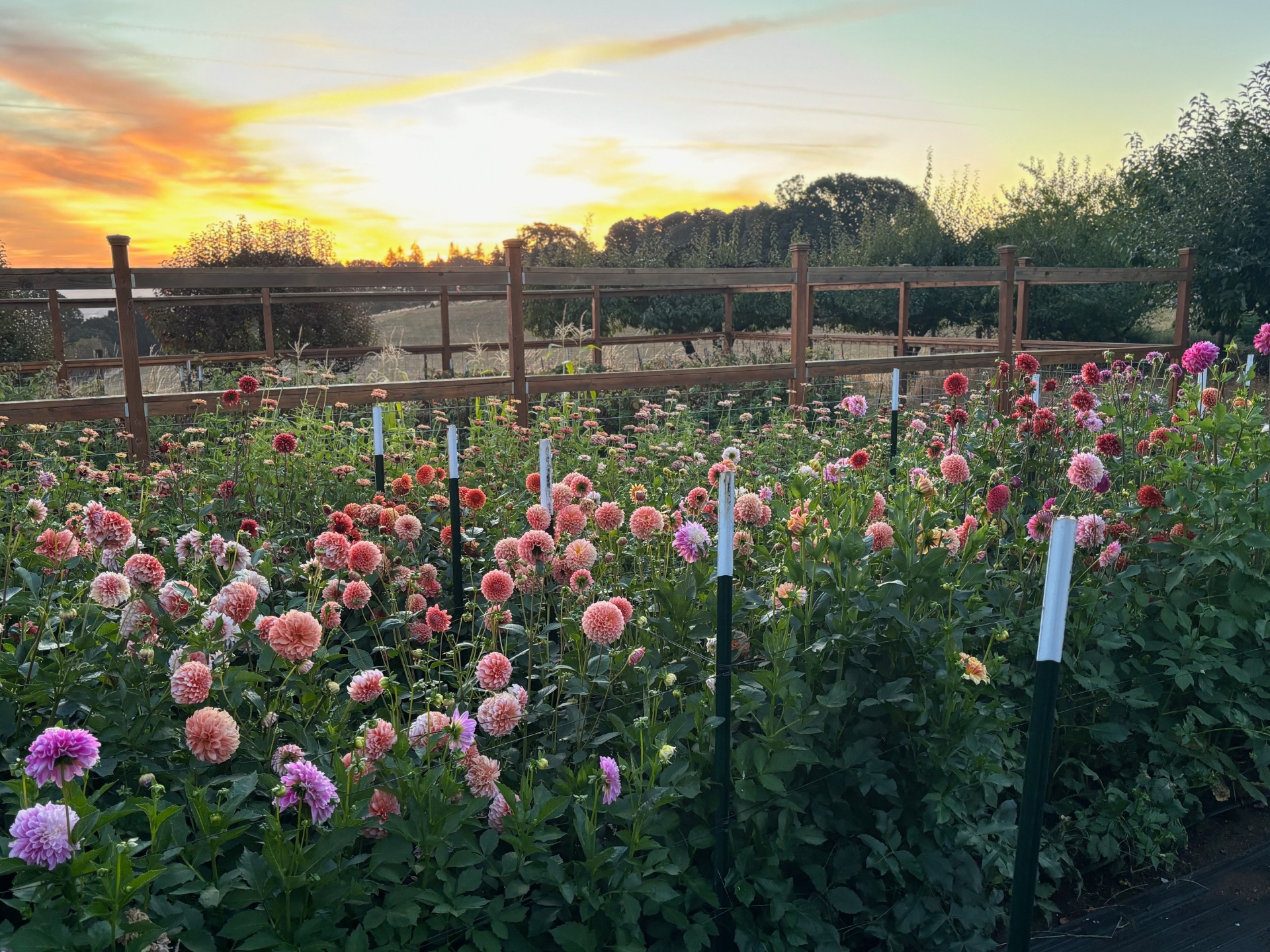
Fall garden care is less about putting everything perfectly to bed and more about knowing what to leave, what to clean up, and what can wait until spring. A thoughtful afternoon now protects the plants you have, makes room for the roots you are planting, and gives next year's garden a cleaner start.
Begin with the garden as a whole
Keep watering while the soil is dry. Cooler air does not always mean the root zone has enough moisture. Perennials and shrubs continue building roots until the ground freezes, so give the garden a slow, deep drink during dry stretches. Newly planted roots and roses need especially consistent moisture.
Pull weeds before they set seed. A small effort now prevents a much larger one in spring. Remove perennial weeds with their roots and clear annual weeds before their seed heads mature.
Clean selectively, not completely. Remove diseased foliage and anything soft, collapsed, or rotting. Healthy seed heads and sturdy stems can remain for winter interest and shelter for beneficial insects. A fall garden does not need to look bare to be well cared for.
Use fallen leaves where they help. Shredded leaves make a beautiful light mulch around established plants and improve the soil as they break down. Keep thick, wet mats off plant crowns, and discard leaves showing black spot, mildew, rust, or other disease.
Refresh mulch after the ground cools. Two to three inches of compost, shredded leaves, or fine bark helps moderate winter temperature swings. Leave a little breathing room around crowns and woody stems rather than piling mulch directly against them.
Clean and sharpen your tools. Brush soil from spades, wash pruners, disinfect blades used on diseased plants, and add a light coat of oil before storage. Sharp, clean tools are one quiet gift to your spring self.
Fall care for roses
Stop feeding six to eight weeks before your first frost. Late fertilizer encourages tender new growth that will not have time to harden before cold weather. Let the plant slow down naturally instead.
Let the final flowers become hips. As fall approaches, ease up on deadheading. Allowing rose hips to form signals the plant that the season is ending and helps it move toward dormancy.
Remove diseased leaves from the bed. Pick up foliage marked by black spot, rust, or mildew, including leaves still clinging to the plant once they yellow. Put diseased material in the trash rather than the compost so spores are not carried into next season.
Save the serious pruning for late winter. In fall, remove only dead, damaged, or clearly diseased wood. If tall canes whip in winter wind, shorten them just enough to prevent damage. A hard fall prune can encourage growth during a warm spell and leave fresh cuts vulnerable to cold.
Protect the crown after the ground turns cold. In colder zones, mound several inches of compost or loose soil around the base after a few hard frosts. The goal is to keep the crown consistently cold, not warm it too early. Read our complete garden rose care guide for climate-specific planting and pruning notes.
Fall care for peonies
Wait for frost before cutting foliage. Peony leaves continue feeding the roots while they are green. Once frost has browned or collapsed the stems, cut herbaceous peonies to one or two inches above the ground.
Carry every cut stem out of the bed. Peony foliage can harbor botrytis and other fungal spores. Remove it completely and place it in the trash, especially if you noticed spotted leaves, blackened buds, or stem collapse during the season.
Keep the crown uncovered. Peony eyes should sit only one to two inches below the soil. Do not bury the crown beneath a deep layer of mulch, which can reduce flowering. A light ring of mulch around the plant is enough, with the center left clear.
Plant or divide while the roots are dormant. Fall is the best time to add bare root peonies or move an established clump. Give each division three to five healthy eyes, set them at the correct depth, and water well after planting. Our fall peony planting guide walks through the process step by step.
Leave tree peony stems standing. Tree and intersectional peonies are not cut to the ground like herbaceous peonies. Remove fallen leaves and dead wood, but save structural pruning for spring, when live buds are easy to see.
Fall care for dahlias
Keep cutting until frost ends the season. Dahlias often give their richest flush in early fall. Continue harvesting flowers and removing spent blooms while the plants are productive, and keep watering through dry weather.
Let the first killing frost be your signal. When the foliage turns black, cut the stems back to about four to six inches. Label every plant before the flowers disappear so the varieties do not become a guessing game in spring.
Decide whether your tubers can stay or need to be lifted. In mild gardens with excellent drainage, dahlias may overwinter beneath a generous mulch. In cold climates, or in wet winter soil like ours in the Willamette Valley, lifting is the safer choice.
Lift gently after the plant has gone dormant. Give the tubers several days after frost, then loosen the soil well beyond the clump with a garden fork. Lift from beneath rather than pulling on the stem. Rinse away heavy soil carefully and allow the clump to dry in a sheltered place.
Store cool, dark, and barely moist. Pack labeled tubers in vermiculite, peat, wood shavings, or another breathable medium. Aim for roughly 40 to 50°F, with enough humidity to prevent shriveling but not enough to encourage rot. Check them monthly and remove any soft sections before they spread. Our dahlia care guide includes more detail on lifting, dividing, and storage.
Then let the garden rest
The best fall cleanup leaves the garden protected, not polished. Water the roots, remove disease, secure what winter could damage, and leave a little life standing. The rest can wait. Beneath the mulch and cooling soil, the next season has already begun.