Roses
The language of roses: a glossary learned along the way
February 2025 · 7 min read
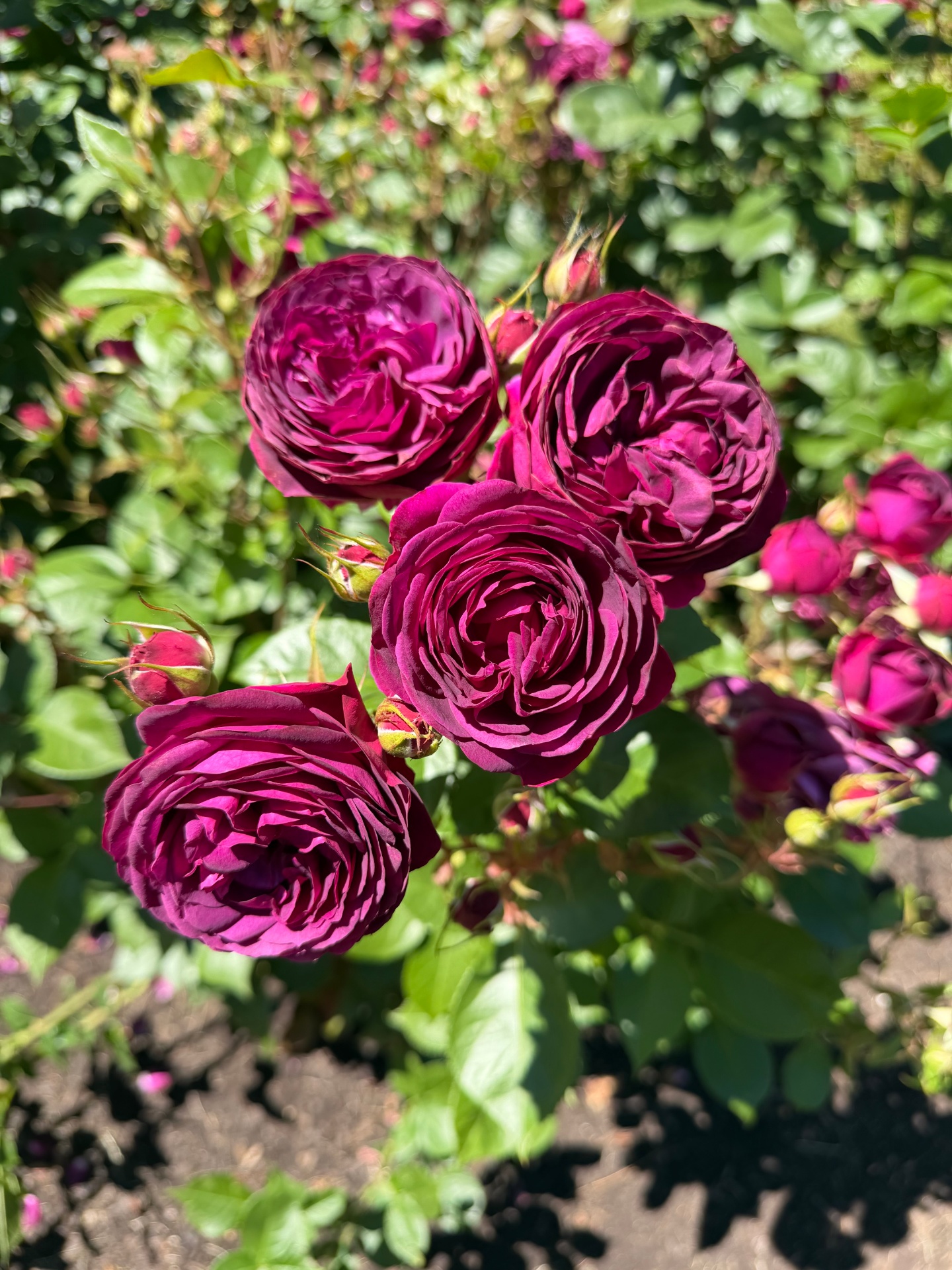
Roses aren't that hard, but they do take a little knowledge and a steady hand with maintenance. Most of what I know now I picked up slowly — from catalog descriptions I didn't understand at first, from customers who knew more than I did, and from a few plants that taught me by going sideways.
This is the glossary I wish someone had handed me early on. Nothing fancy — just the words that show up over and over in rose catalogs and conversations, and what each one actually means in the garden.
Own-root. The rose is growing on its own roots — the variety you bought is the same plant from the soil up. I've never gardened anywhere with a hard frost, so for a long time I assumed every rose was grown on its own roots. It wasn't until I unboxed my first grafted rose, with that bulky knob of a union right at the base, that I understood the difference. With an own-root plant, even if a hard winter takes the canes to the ground, what grows back is still the rose you fell in love with.
Grafted (or budded). The opposite of own-root. The top variety is joined to a separate, hardier rootstock at a swollen union you can see at the soil line. Grafted roses can size up faster in their first season, but the union itself can fail — and any shoots that come up from below the graft are rootstock, not your rose.
Bare root. A dormant plant shipped without a pot or soil, just roots wrapped in something moist. The first time I opened a bare root box I thought the rose was dead. It looked like a bundle of sticks. It wasn't. Bare root is how most specialty roses are sold, and once you've planted one and watched it explode in spring, the sticks stop looking sad and start looking like potential.
Repeat-flowering (or remontant). The plant blooms in waves through the season rather than once. I planted a stunning rambler in my first garden without reading carefully and got exactly one breathtaking June, then nothing until the following June. After that, I paid attention. Every rose in my collection today is a repeat-flowering variety — I want a garden that keeps giving from early summer through the first frost, not one that peaks for two weeks and goes quiet.
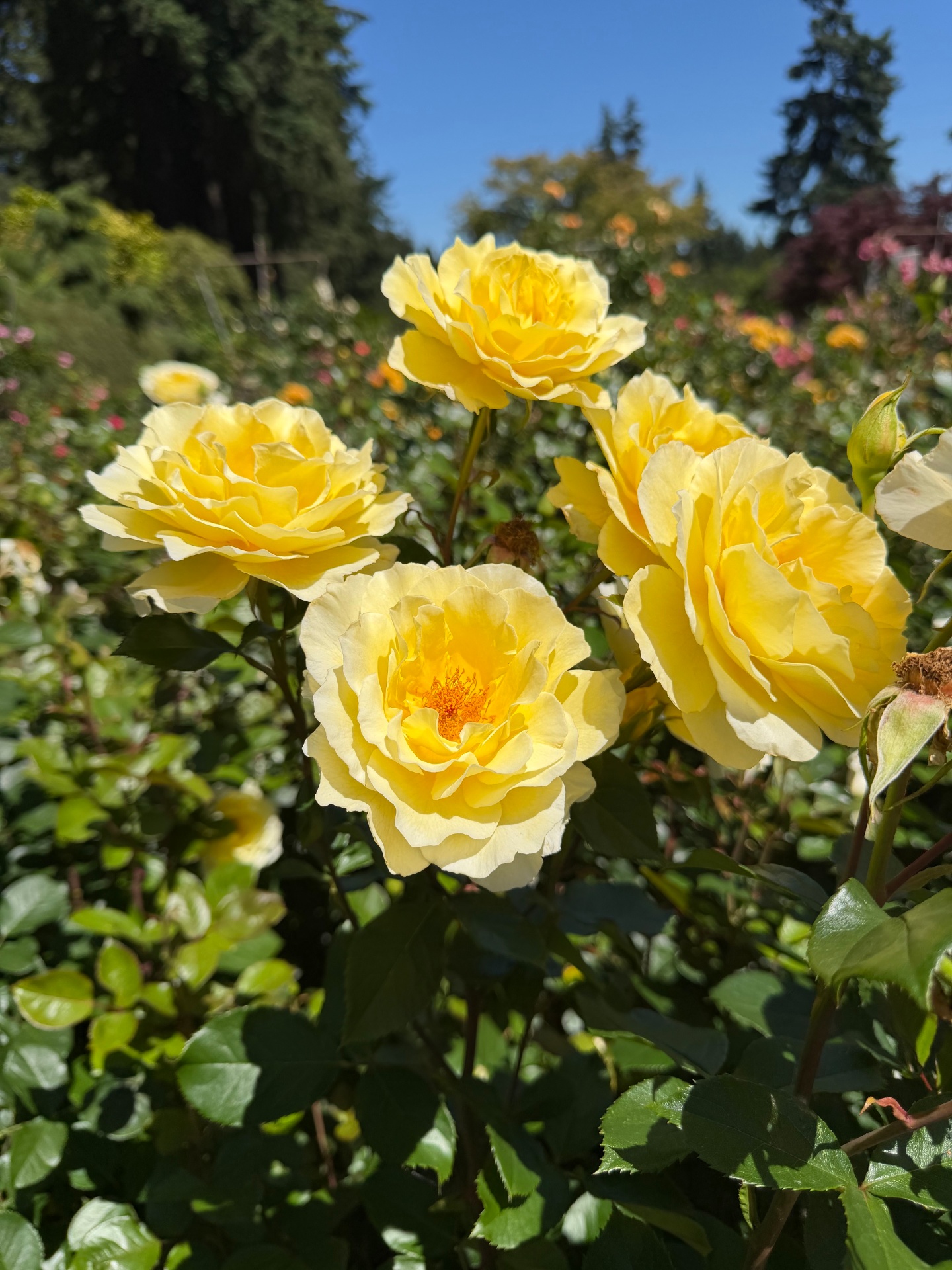
Once-blooming. One glorious flush, usually in early summer, then green for the rest of the year. Not a flaw — many of the most romantic old roses are once-bloomers, and a wall of them in June is unforgettable — but it's important to know what you're signing up for before you plant something at the front door.
Cane. The main woody stem coming up from the base of the plant. A healthy rose has several canes, ideally newer ones replacing older ones every few years. I used to be too gentle with my pruners. Old, woody canes that have stopped producing flowering wood need to come out — the plant uses that energy to push new growth from the base.
Basal break. A new cane pushing up from the very base of the plant. These are the future of the rose: thick, vigorous, productive shoots that will carry next year's blooms. When you see one, celebrate (quietly), and resist the urge to cut it back. I lost two years of growth on a beloved David Austin by snipping basal breaks before I knew what they were.
Deadheading. Removing spent blooms before they form hips. On repeat-flowering roses, deadheading tells the plant to keep making flowers instead of seeds, and it can mean the difference between two flushes a season and four. The trick I learned late: cut back to a five-leaflet leaf, not just below the flower. That's where the next strong stem will come from.
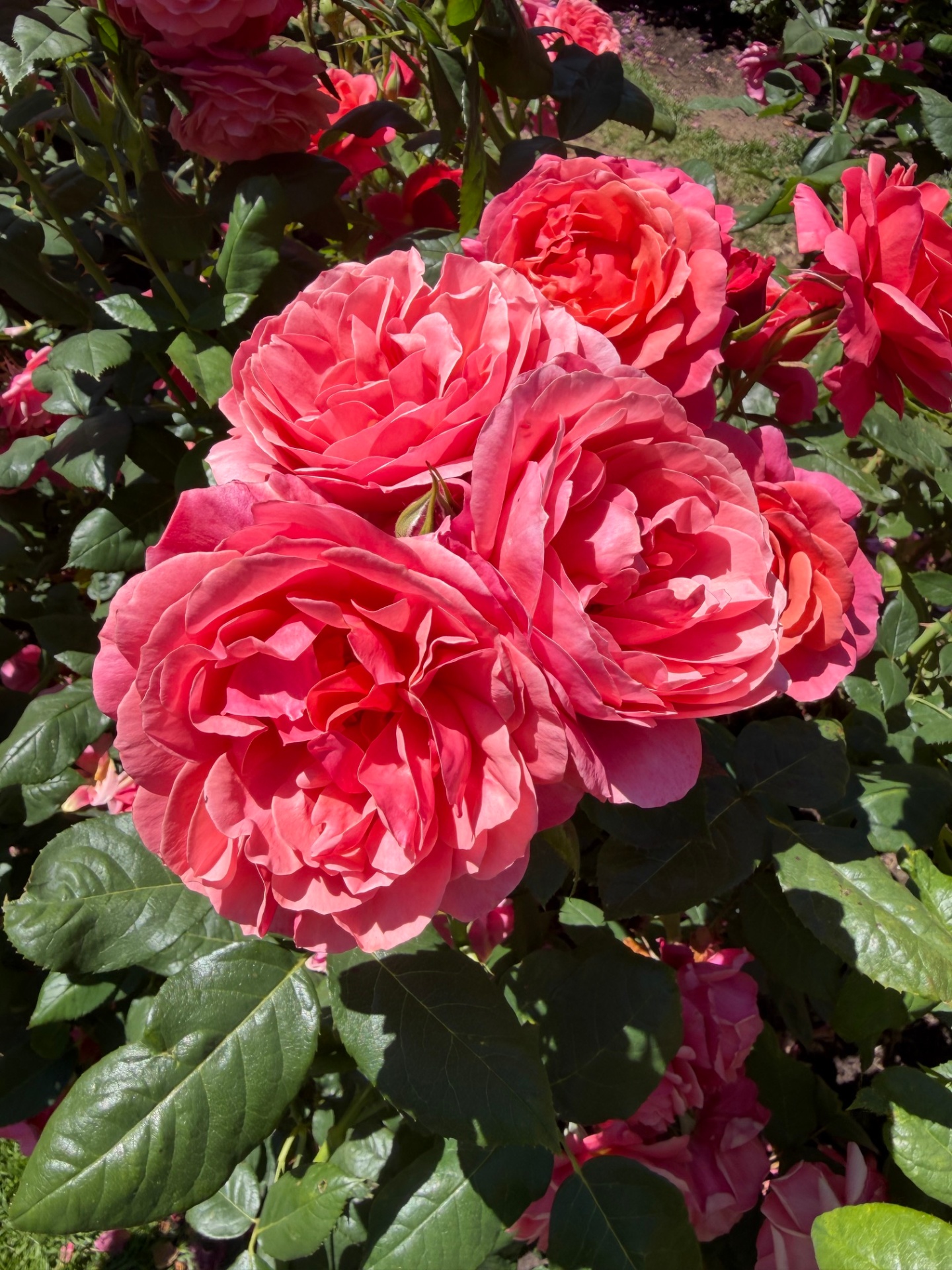
Hip. The seed pod a rose produces after a flower fades. Some roses make beautiful hips that hold all winter and feed the birds; on others, they signal the plant to stop blooming. Whether you deadhead or leave them depends on the variety and what you want from the plant in fall.
Hardiness zone. The USDA range a plant can survive winter in. My own zone is just about ideal for roses, so I've never lost one to cold — but I've gifted them into the wrong zone. I once sent my mother-in-law two beautiful roses for her garden in Ohio without thinking hard enough about her winters, and neither one made it through. Not much of a gift to hand someone two dead roses. Now I check the zone on the tag before anything ships anywhere.
Pegging. Bending long canes down and securing the tips to the ground (or to a low support) so the plant flowers along the whole length of the cane instead of just the end. It's an old English technique I'd never heard of until a customer mentioned it, and it transformed how I think about training shrub roses with long, arching canes.
Disbudding. Pinching off the smaller side buds in a cluster so the central bud opens larger and on a longer stem. Useful for hybrid teas and anything you're growing for the vase. I do not disbud in the garden — I want the clusters — but I do it in the cutting rows.
Suckering. Shoots that come up from below the graft on a grafted rose. They look wrong (different leaves, often seven leaflets instead of five, longer and thornier) and they will eventually take over the plant if you let them. Remove them at the source by following the shoot down and pulling, not cutting — cutting just encourages more.
Thorn (or prickle, technically). Botanists will tell you roses don't have true thorns, they have prickles, because they grow from the skin of the cane rather than from the deeper tissue. I learned this from a customer who corrected me very kindly. I still say thorns. Either word, wear gloves.
None of this is required reading to enjoy a rose. You can plant one, water it, and love it without ever knowing what a basal break is. But every word here has earned its place in how I garden — and if you're earlier in your rose journey than I am, I hope a few of them save you the long way around.