Roses
Koko Loko®: the color-changing rose that keeps you guessing
July 2026 · 6 min read
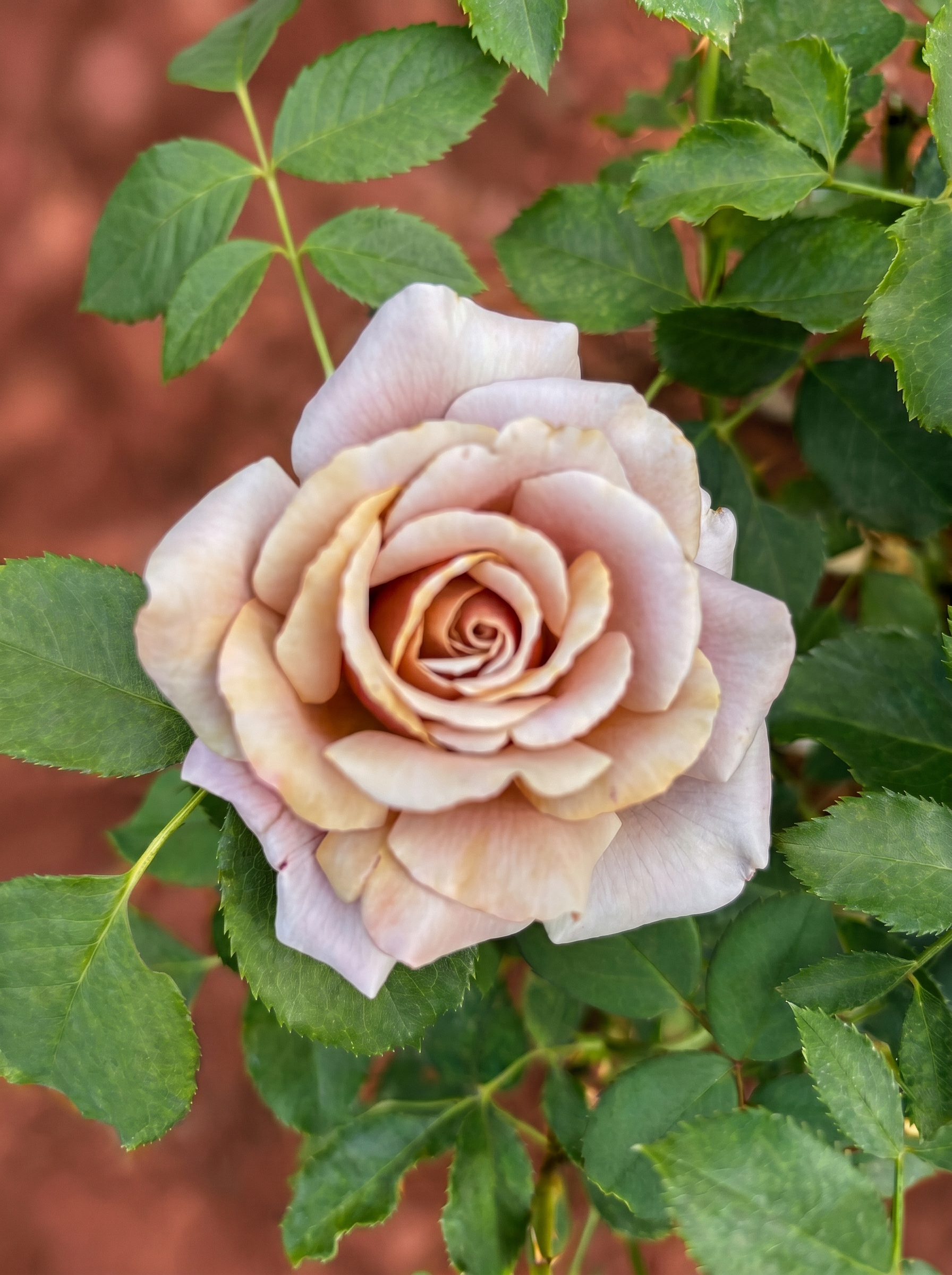
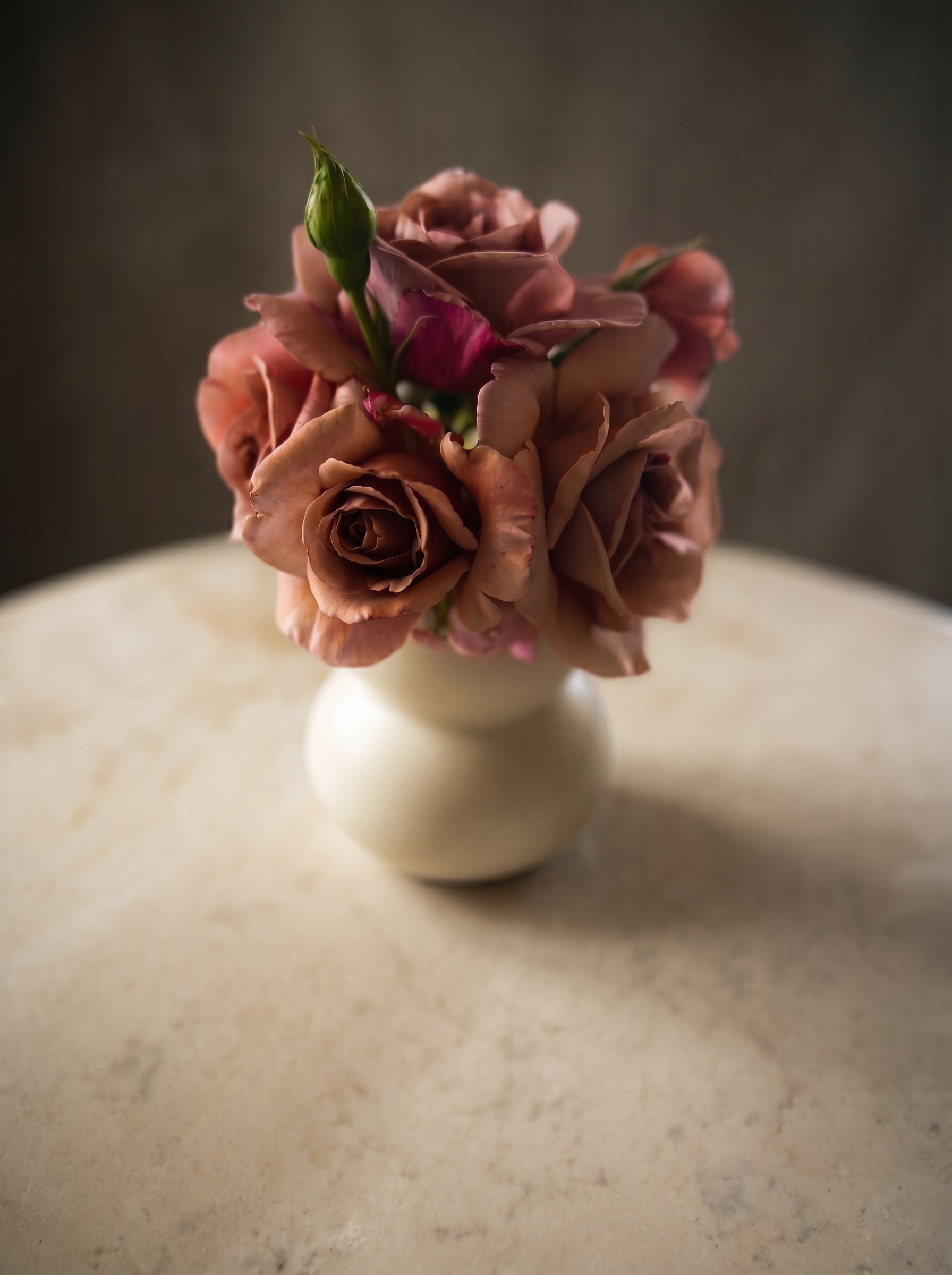
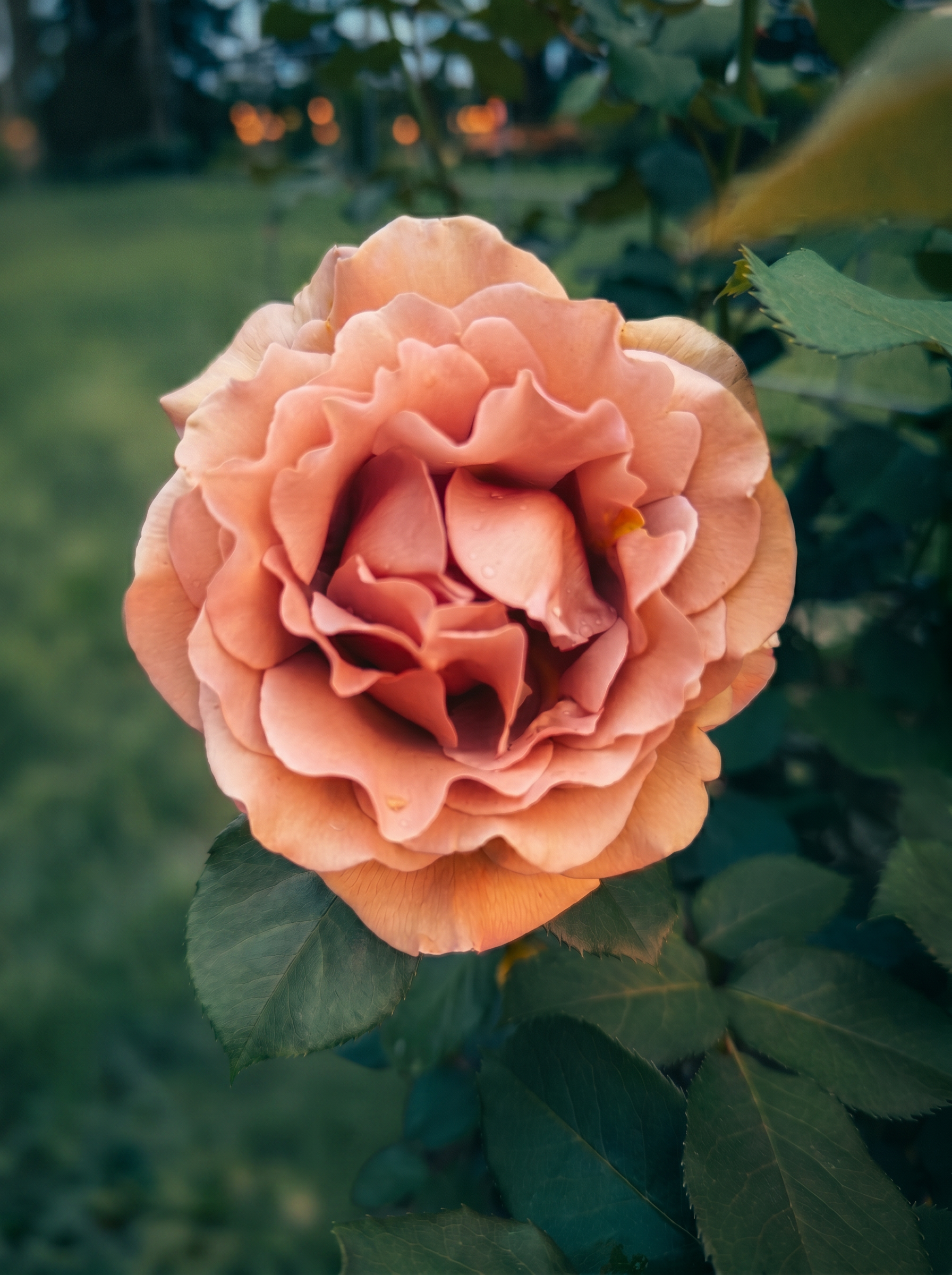
If you have only seen one Koko Loko® flower, you have only met one version of this rose. No two blooms on the same bush look quite alike, and no bloom stays the same color from the day it opens to the day it drops. Some open a cool, dusty lavender. Some open blush pink. Most settle, eventually, into the warm mocha tones that gave the variety its cult following. Every flush is a surprise. After a season of watching it, I've come to think of Koko Loko® less as a color and more as the mood it's in that week.
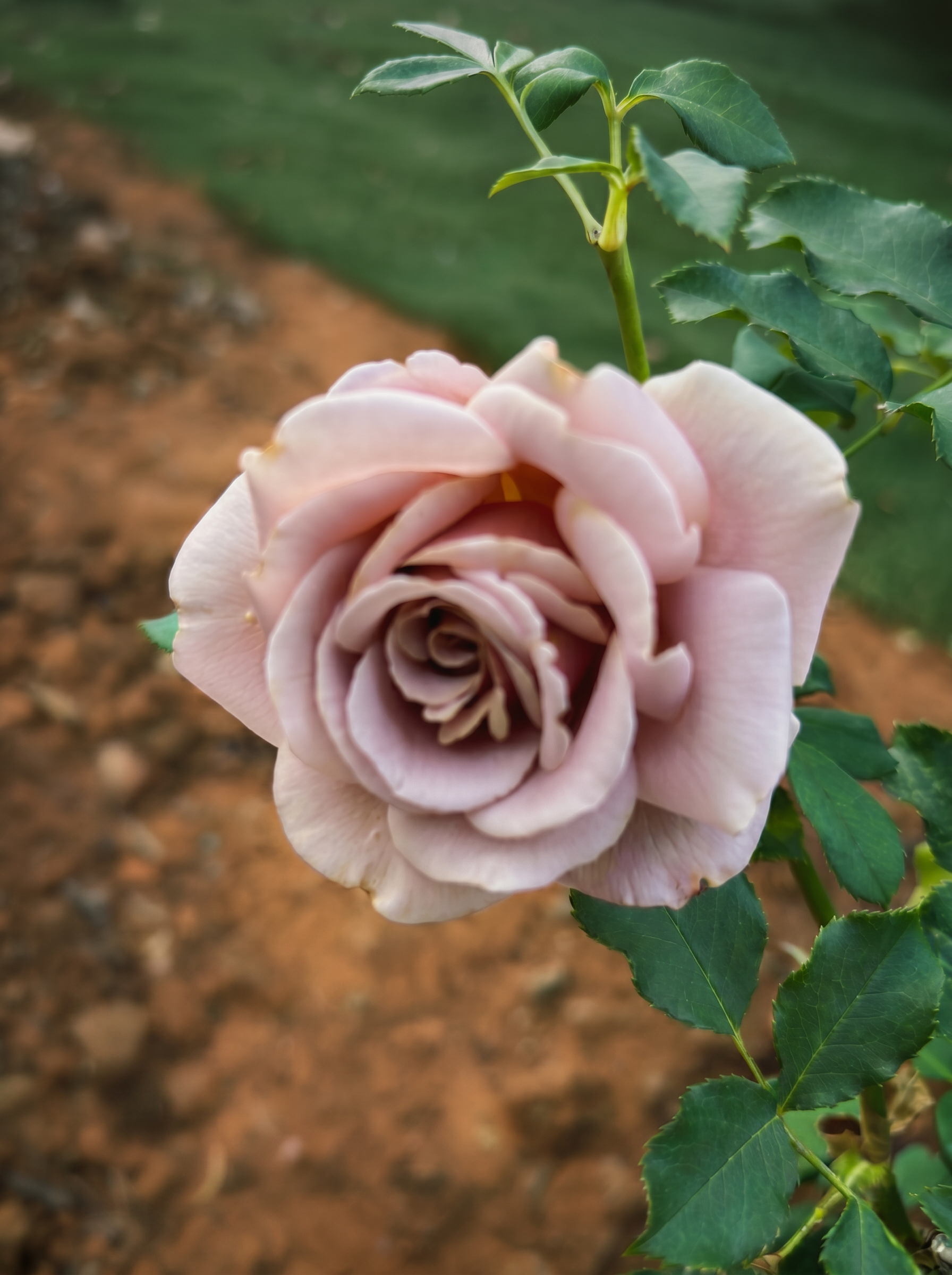
Why the color moves
Koko Loko's famous color shifts aren't random. They're the result of weather, light, and the age of each bloom working together.
The petals contain both warm pigments that create peaches and mochas, and cooler pigments responsible for lavender and dusty pink. Which pigments dominate depends on the weather. Cool weather and low light tip the flower toward lavender and silver. Heat and strong sun pull the warm pigments forward and push the bloom into caramel, coffee, and mocha. A single cool morning after a hot week can leave you with a bush full of blooms that don't match — the older flowers gone toffee, the fresh ones opening icy pink.
It's the same rose. It's just having a different week.
Light
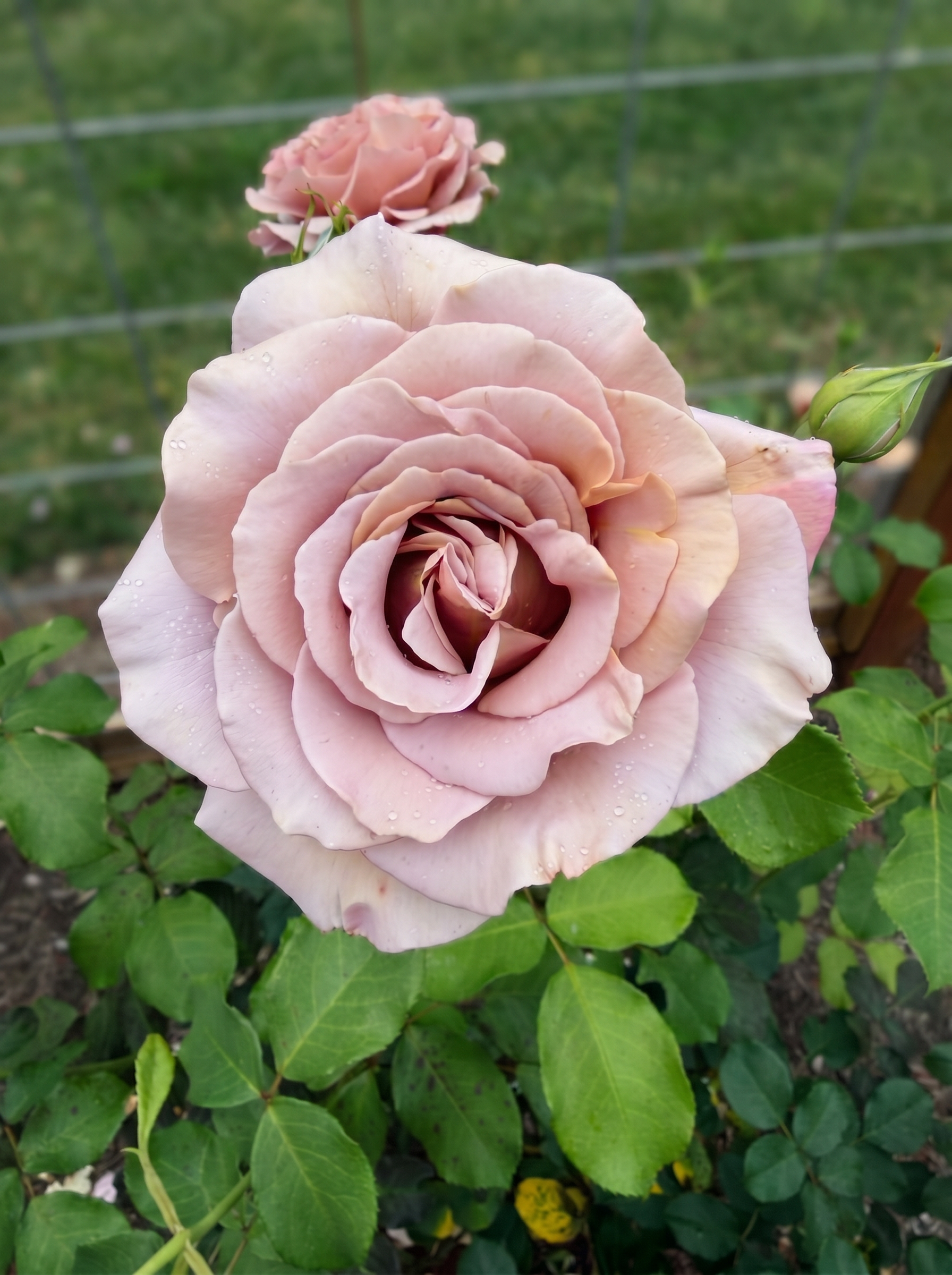
Light is the fastest variable. In the flat, diffused light of an overcast morning, Koko Loko reads cool — the lavenders and blushes take over, the edges look almost silver, and the flower photographs like a piece of vintage porcelain. In direct afternoon sun the warm pigments dominate: the same flower, hours later, looks like a latte. Gardeners who move a stem indoors and set it on a north-facing sill will watch the color drift back toward mauve within a day. This is not a rose that behaves for the camera; it behaves for the light it's standing in.
Temperature
Temperature is the slower, deeper variable. A stretch of cool nights and mild days keeps the flowers pastel and clean — pale mauve, blush, sometimes a milky pink with only a whisper of coffee. A run of hot days concentrates the warm pigments and the mocha tones deepen dramatically, sometimes into an almost tobacco brown at the petal edges. In shoulder seasons — early June, late September in my Oregon garden — you get the widest color range on a single bush, because the plant is moving through both regimes as the weather itself moves.
Age of the bloom
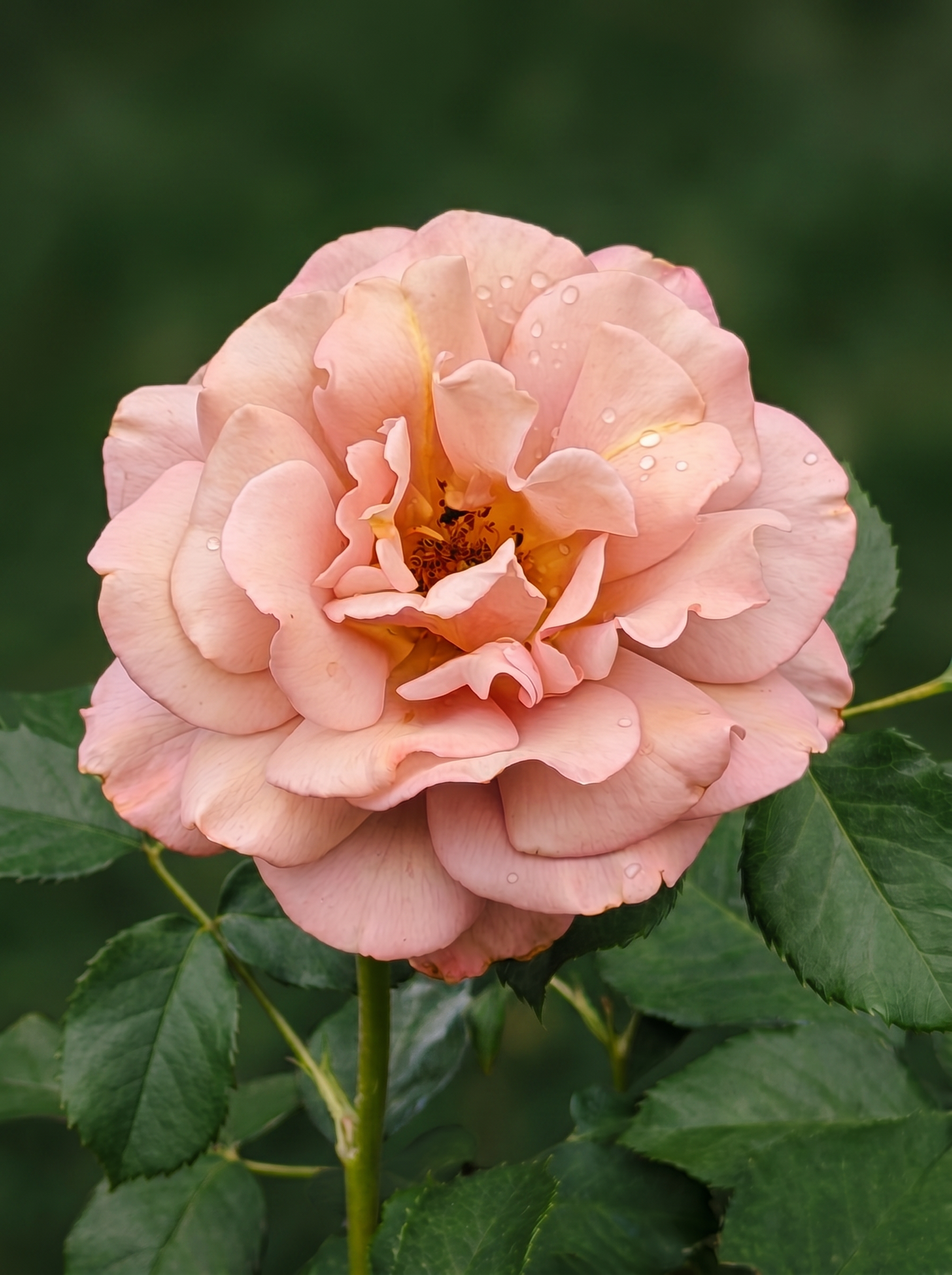
Even in perfectly steady weather, an individual Koko Loko flower changes as it ages. The tight bud is often the coolest — lavender-grey, sometimes almost mushroom. As the outer petals loosen, warm tones creep in from the center. By full bloom the flower is usually at its most mocha, and by the time it starts to relax open and show its stamens, the petals have often softened again into a pale, tea-stained blush. Cut a stem at any point in that arc and you have a completely different rose from the one your neighbor cut two days later.
A bunch of five or six stems, cut at different stages, gives you a whole palette in a single variety — cocoa, café au lait, dusty rose, lavender, pale sand — without ever leaving the same bush.
The reason to grow it
Modern roses are often bred for consistency: the same color on every bush, in every climate, all season long. Koko Loko® is the opposite. It changes with the weather, the light, and even its age. That's exactly what makes it so captivating. Every flush feels new, even though it's the same familiar plant. Growing it teaches you to pay closer attention — to the weather, to the light, to the small differences between a bud opened at dawn and one opened at dusk. You start noticing that no flower, on any plant, is ever really the same twice.
That's the quiet gift of this variety. It isn't just a color-changing rose. It's a rose that reminds you the garden is never static, and that the light and the season are painting alongside you every day. If you'd like to bring Koko Loko® into your own garden, you can find it here.