Roses
Garden roses worth the wait
March 2026 · 5 min read
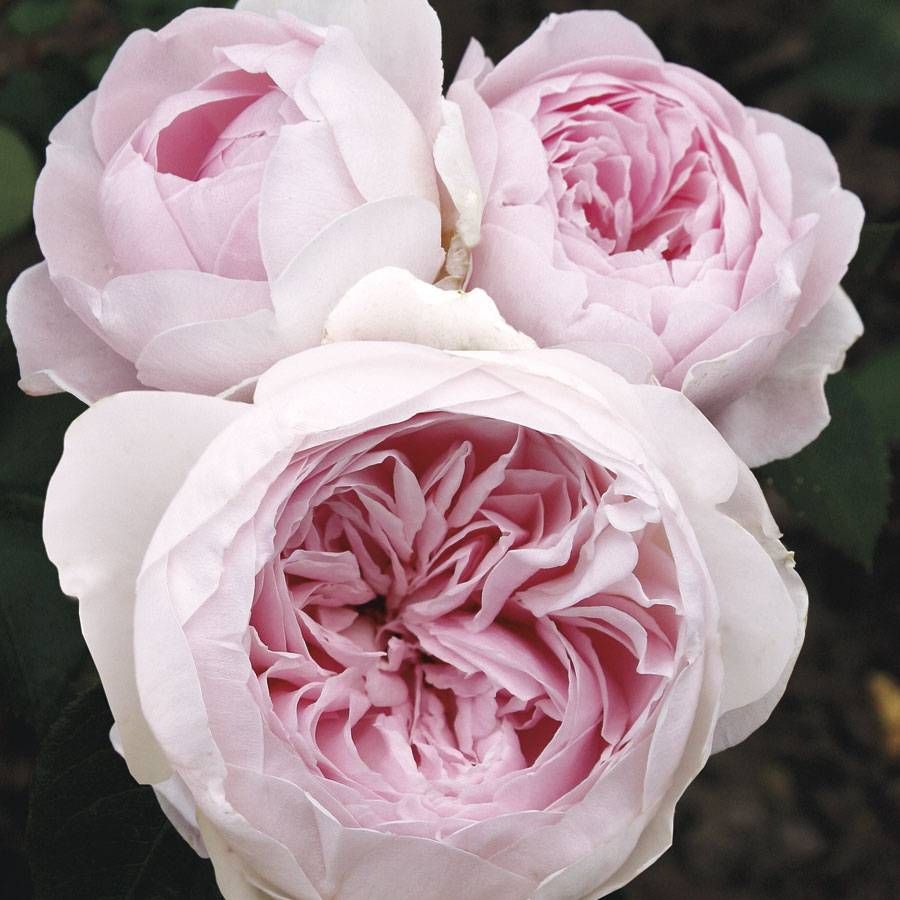
A garden rose is a long conversation. Unlike the tight, scentless stems that dominate florist coolers, a true garden rose is grown for fragrance, form, and the way it changes through the day — opening slowly in the morning, relaxing into something looser and more generous by afternoon.
We plant own-root roses whenever we can. Grafted roses lean on a separate rootstock that can sucker, fail in a hard winter, or send up shoots that aren't the variety you bought. Own-root plants are slower to size up in the first year, but what grows above the soil is what grows below — and a hard winter that kills the canes will usually still leave a true plant to come back the following spring.
Repeat blooming is the other thing we look for. A once-blooming heirloom can be breathtaking in June, but a well-chosen repeat-blooming variety carries the garden from early summer through the first frost. We favor cultivars bred for disease resistance and fragrance over novelty — roses that earn their place by performing season after season, not by being new.
Plant them where they want to be: six hours of sun, room for air to move through the canes, and soil enriched with compost. Water deeply and less often rather than lightly every day; mulch to keep the root zone cool; and resist the urge to over-prune in the first two years. A young rose needs leaves to make a root system.
Done well, a garden rose becomes the kind of plant you walk out to visit. Not a cut flower waiting to be harvested, but a presence in the garden — fragrant, generous, and worth the wait.