Roses
Eden Climbing Rose: the romantic climber we can't stop growing
August 2026 · 6 min read
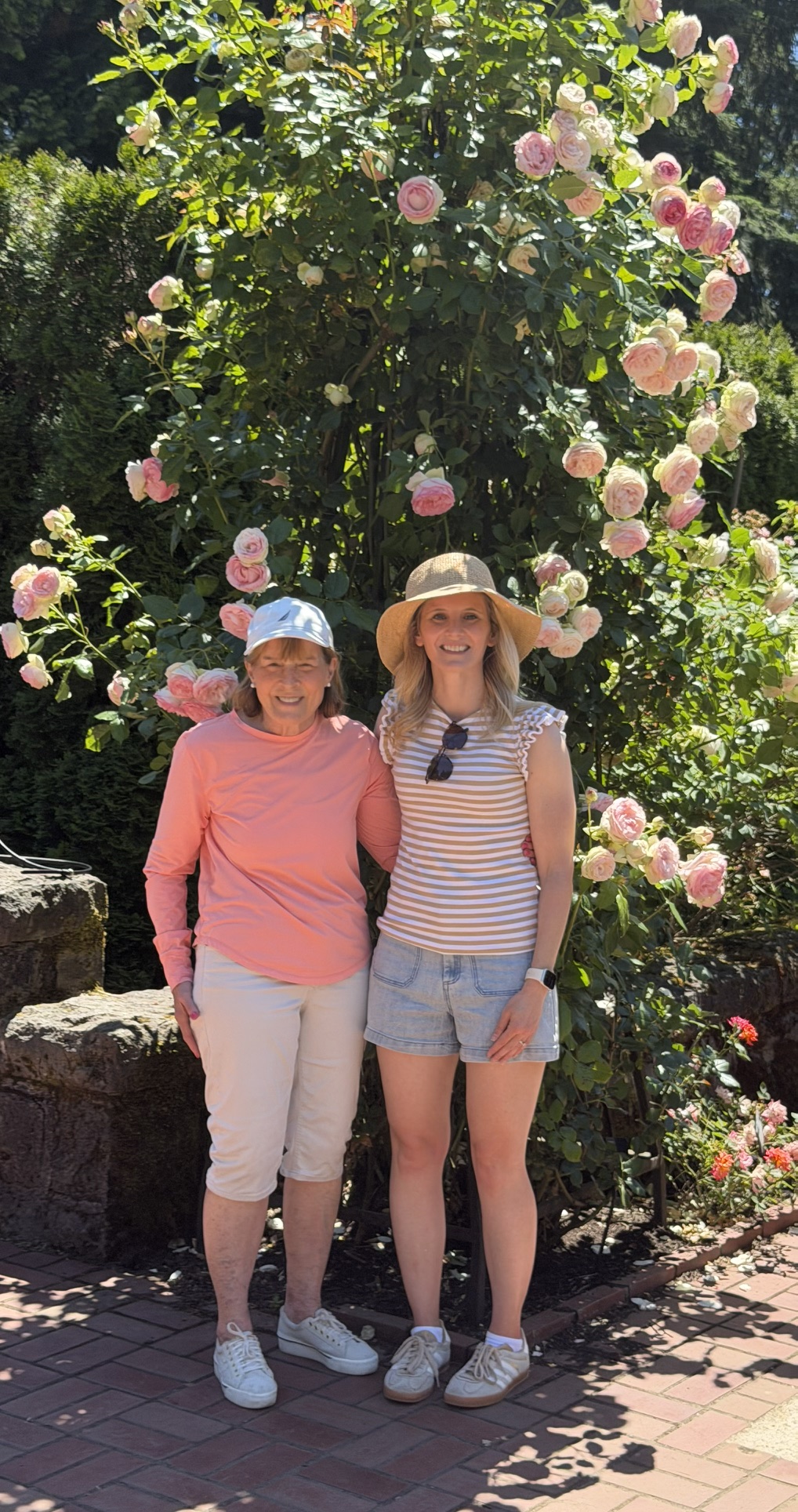
I first saw Eden at the Portland International Rose Test Garden. She was climbing close to twelve feet up a large obelisk, cane after cane, the whole structure disappearing under cupped blooms in cream, blush, and the softest pink. I stood there for a while and never wanted to leave, but the line to take her photo was getting long. Enchanting is the word I keep coming back to. Romantic is the other one. That afternoon is the reason Eden is our featured climber in the 2026 Rose Collection.
What she actually looks like
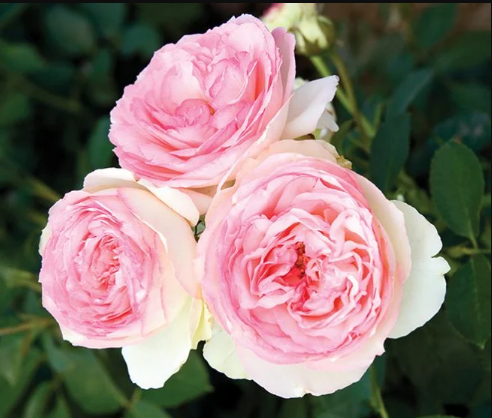
Eden, sometimes sold as Pierre de Ronsard®, produces heavy, many-petaled blooms with the shape of an old cabbage rose: tightly cupped, quartered as they open, packed with somewhere between fifty and a hundred petals. The coloring changes with light and heat. In cool weather she leans ivory and pale green at the edges with a warm pink heart. In summer sun the pink deepens and the outer petals blush. Every bloom on the plant is a slightly different version of the same idea.
She looks like a rose from a painting, and she behaves like a rose that wants to grow.
Why she's worth the space
Eden is a large climber. In a mild climate she can reach up to twelve feet; in a colder garden expect eight to ten. She's a repeat bloomer, with a spectacular first flush in late spring and lighter, steady flushes into fall. The canes are relatively pliable when young, which makes her easy to train along a fence, arbor, or wall, and training matters more than pruning with this rose.
How to grow Eden well
Train the canes horizontally. This is the single most important thing you can do. A cane pointed straight up flowers at the tip; a cane bent sideways breaks bud all along its length. Tie your main canes as close to horizontal as the structure allows and you'll get blooms from the base to the top instead of a bare-legged plant with flowers you can't see.
Give her full sun and real room. Six or more hours of direct sun, and a structure that can carry a mature plant. An arbor, a strong fence line, a pergola post. She will fill it.
Feed for the second flush. A balanced feeding after the spring flush finishes, and a lighter one in midsummer, keeps the repeat blooms coming. Stop feeding six to eight weeks before your first frost.
Prune lightly, and late. Leave the main structural canes alone for the first two or three years while she establishes. After that, remove dead or crossing wood in late winter and shorten the side shoots that flowered to a few inches. Heavy pruning on a climber is how people accidentally cut off next year's display.
Watch airflow in humid gardens. Those dense petals hold moisture. Space her off a solid wall, water at the base rather than overhead, and clean up fallen leaves in fall.
Where she fits in the garden
Eden is the rose to plant where you want a moment: over the gate you walk through every day, on the arbor at the end of a path, along the fence you see from the kitchen window. She's soft enough to sit beside peonies and lavender without competing, and full enough to carry a structure on her own. Cut stems hold beautifully in a vase, though the heavy heads like a low, wide bowl more than a tall one.
She's slow to get going. The first year is roots, the second is canes, the third is the show. That's true of most climbers, and it's worth the wait. Eden is our featured climber in the 2026 Rose Collection, and if you have an arbor waiting for something to grow on it, she's the one I'd plant.