Dahlias
A field guide to dahlia forms
March 2025 · 5 min read
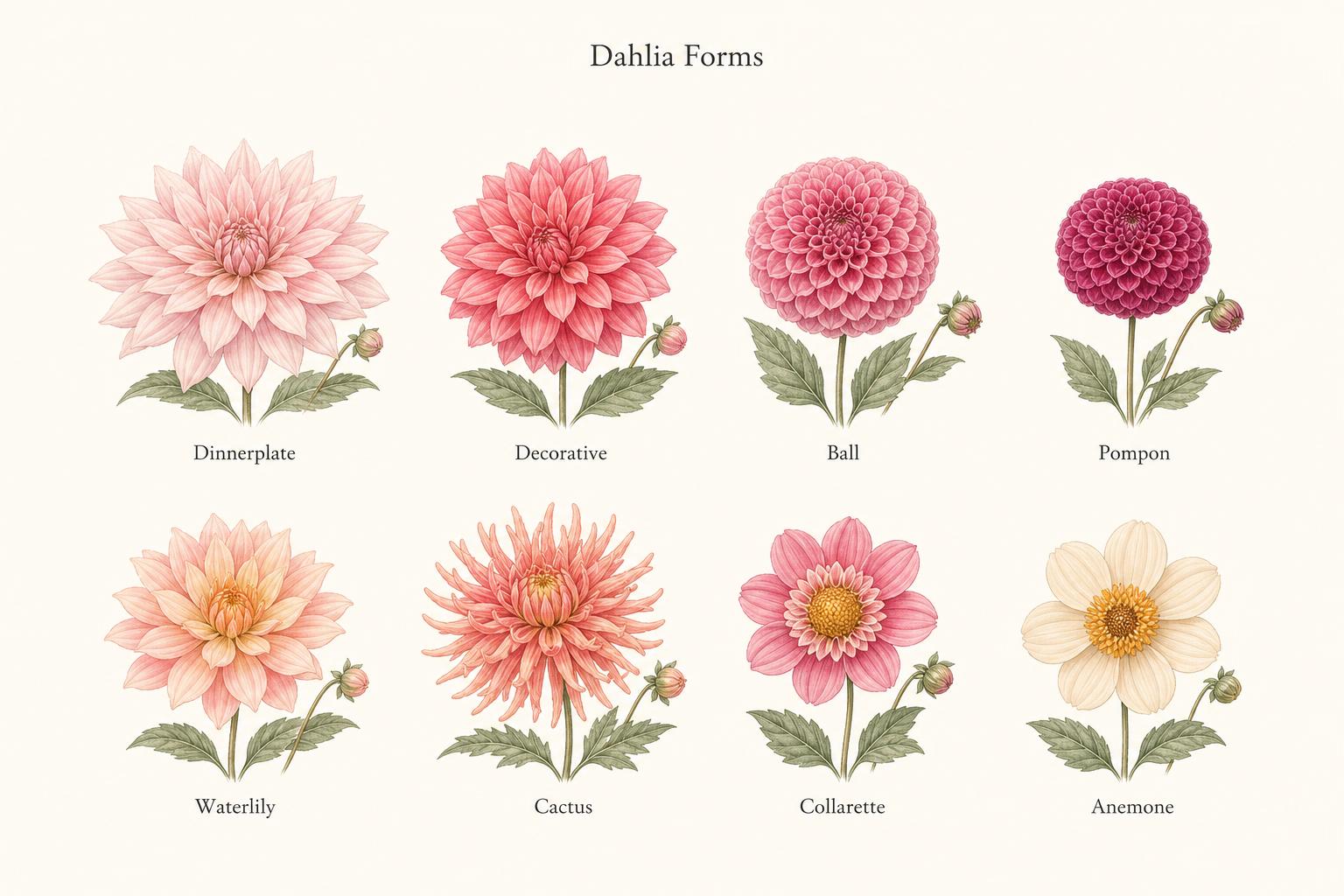
Dahlias have one of the most confusing classification systems in the flower world. The American Dahlia Society recognizes nearly twenty official forms, and most tuber catalogs list at least a dozen. The good news: as a gardener (rather than a competitive show grower), you really only need to know six or seven. Once you can recognize them, the catalog gets a lot easier to shop.
Dinnerplate dahlias are the showstoppers — the form most people picture when they imagine "dahlia." Blooms can reach eight, ten, even twelve inches across, on plants that grow four to five feet tall. They are heavy, dramatic, and need real staking. The trade-off for all that drama: dinnerplate plants typically give you only a handful of blooms per season, so plant a few if you want to cut from them. Cafe au Lait is the most famous example.
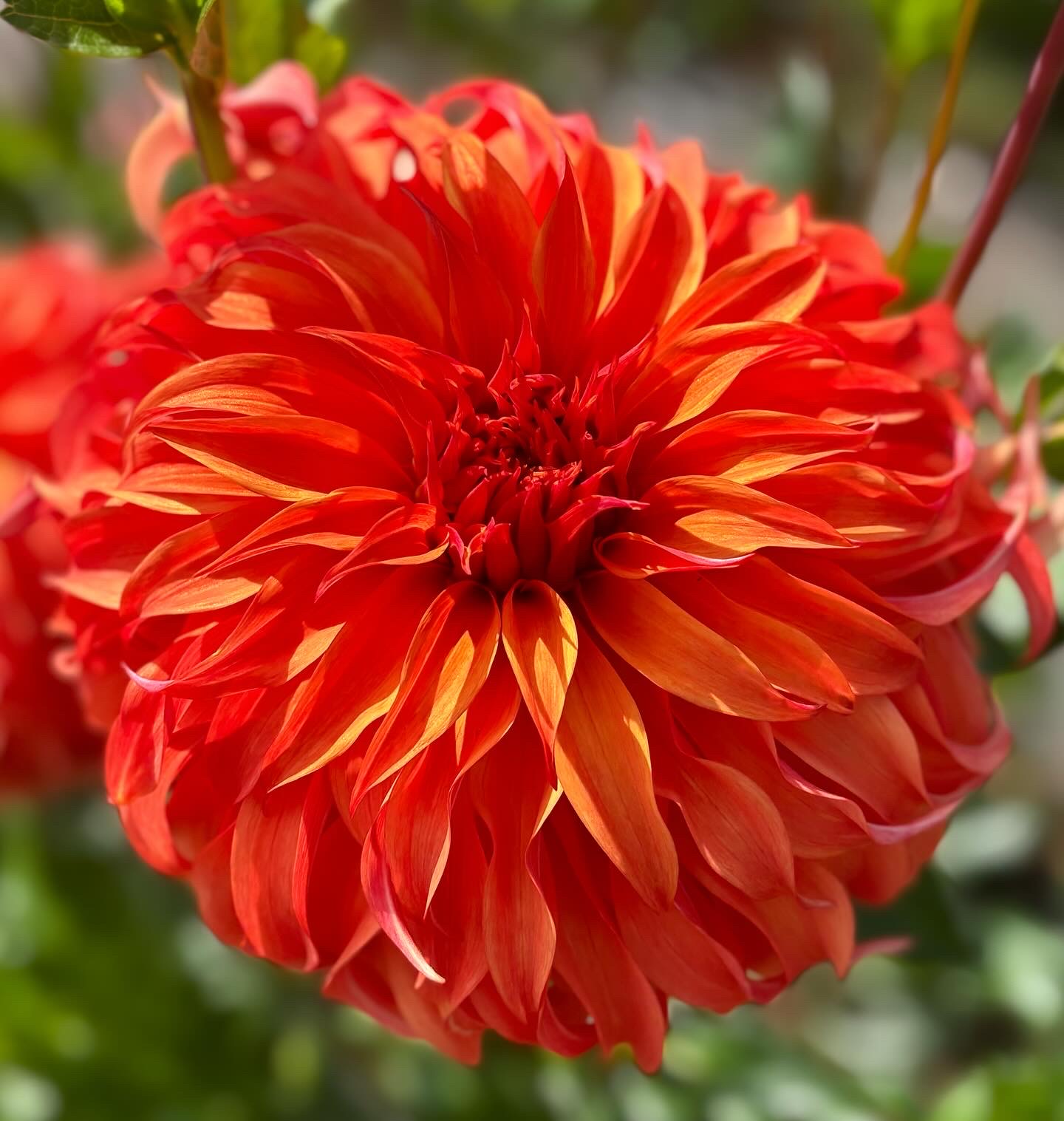
Decorative dahlias (also called formal or informal decorative) are the broad middle of the category — fully double blooms, four to eight inches across, with flat or slightly twisted petals. They are the workhorses of a cutting garden. Reliable, productive, and available in nearly every color.
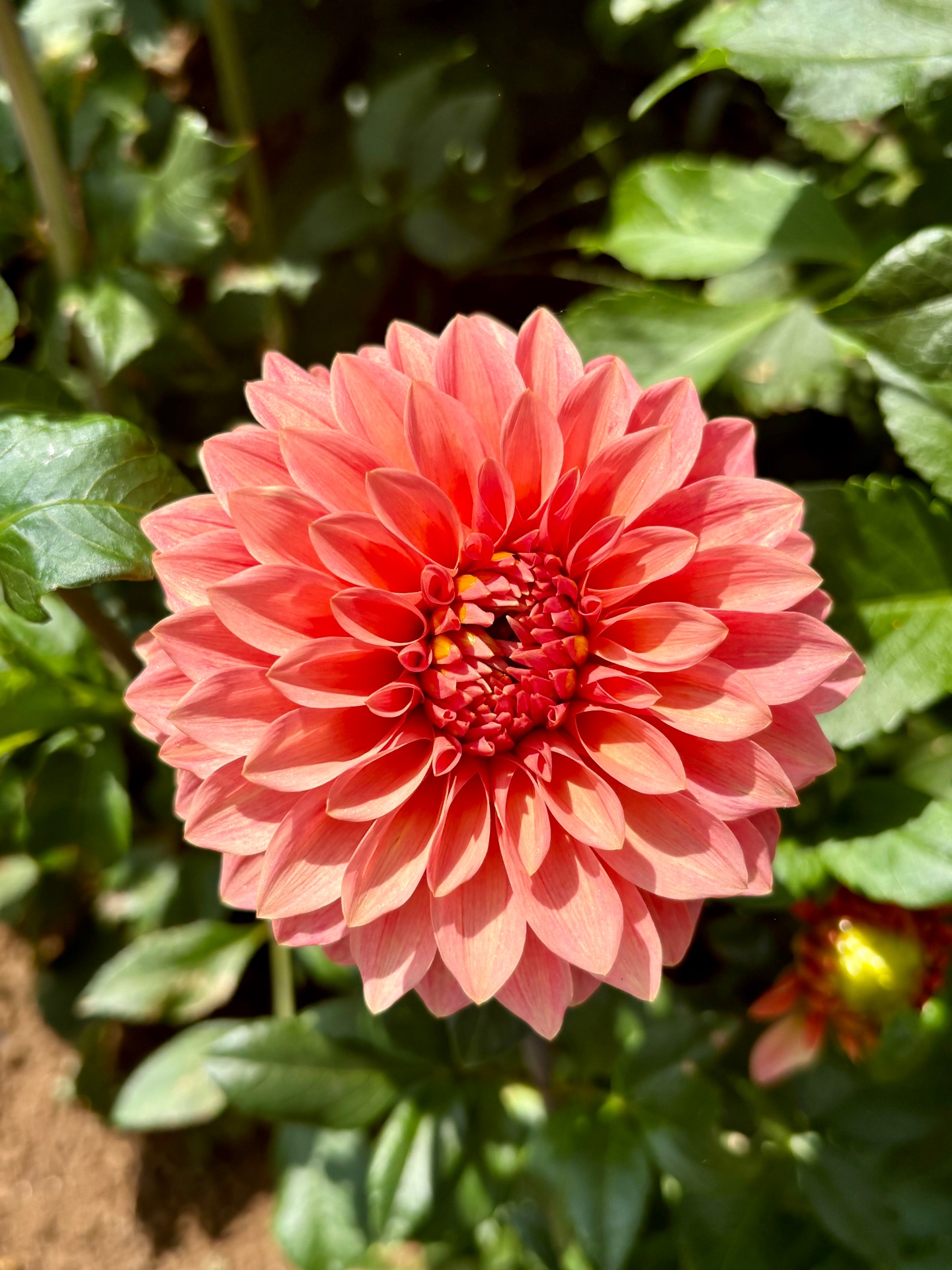
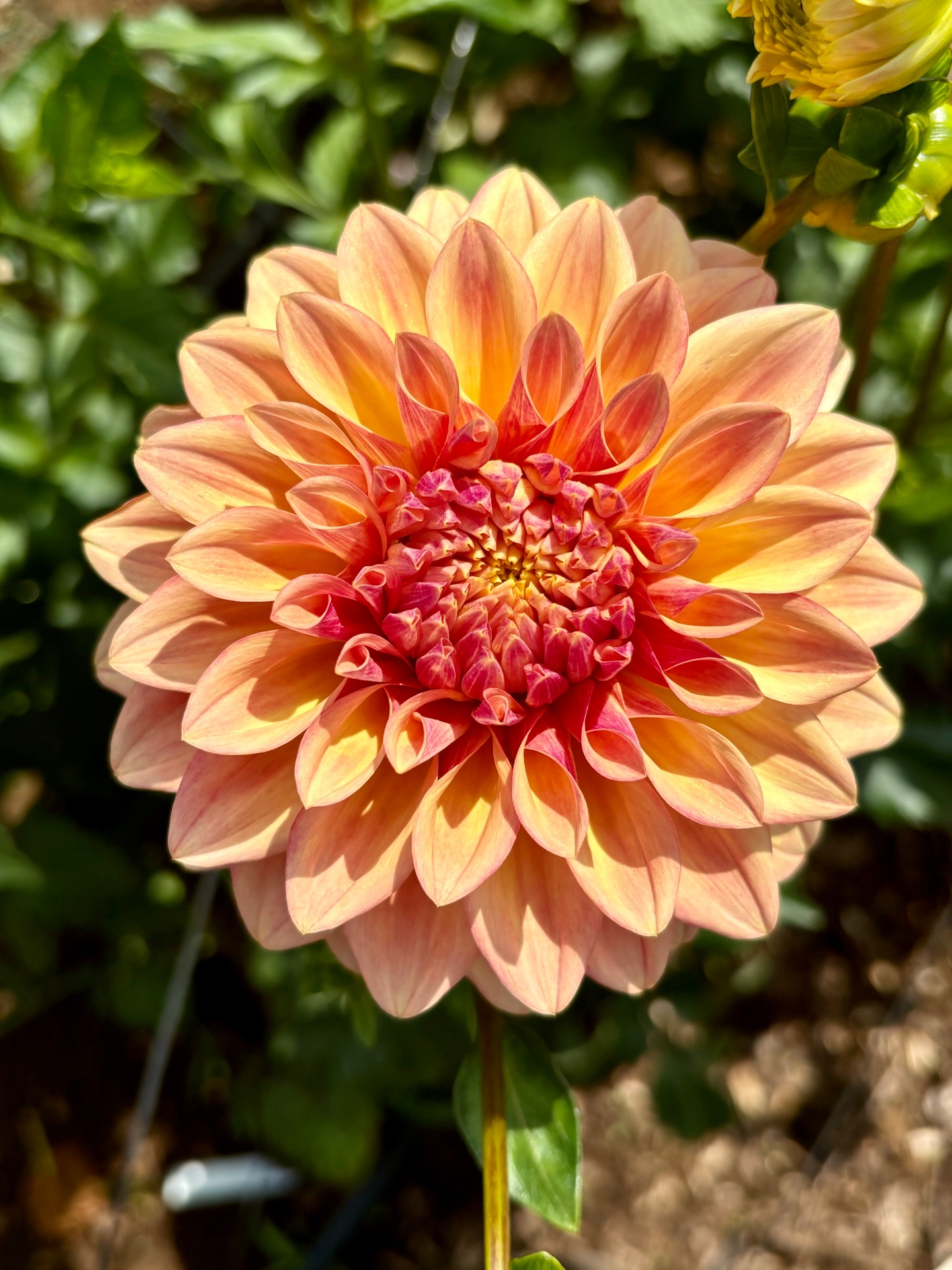
Ball dahlias are exactly what the name suggests: tightly packed, perfectly spherical blooms, usually three to four inches across. The petals are quill-like and rolled, giving the flower a precise, almost architectural feel. They hold up beautifully in the vase, ship well, and bloom prolifically.
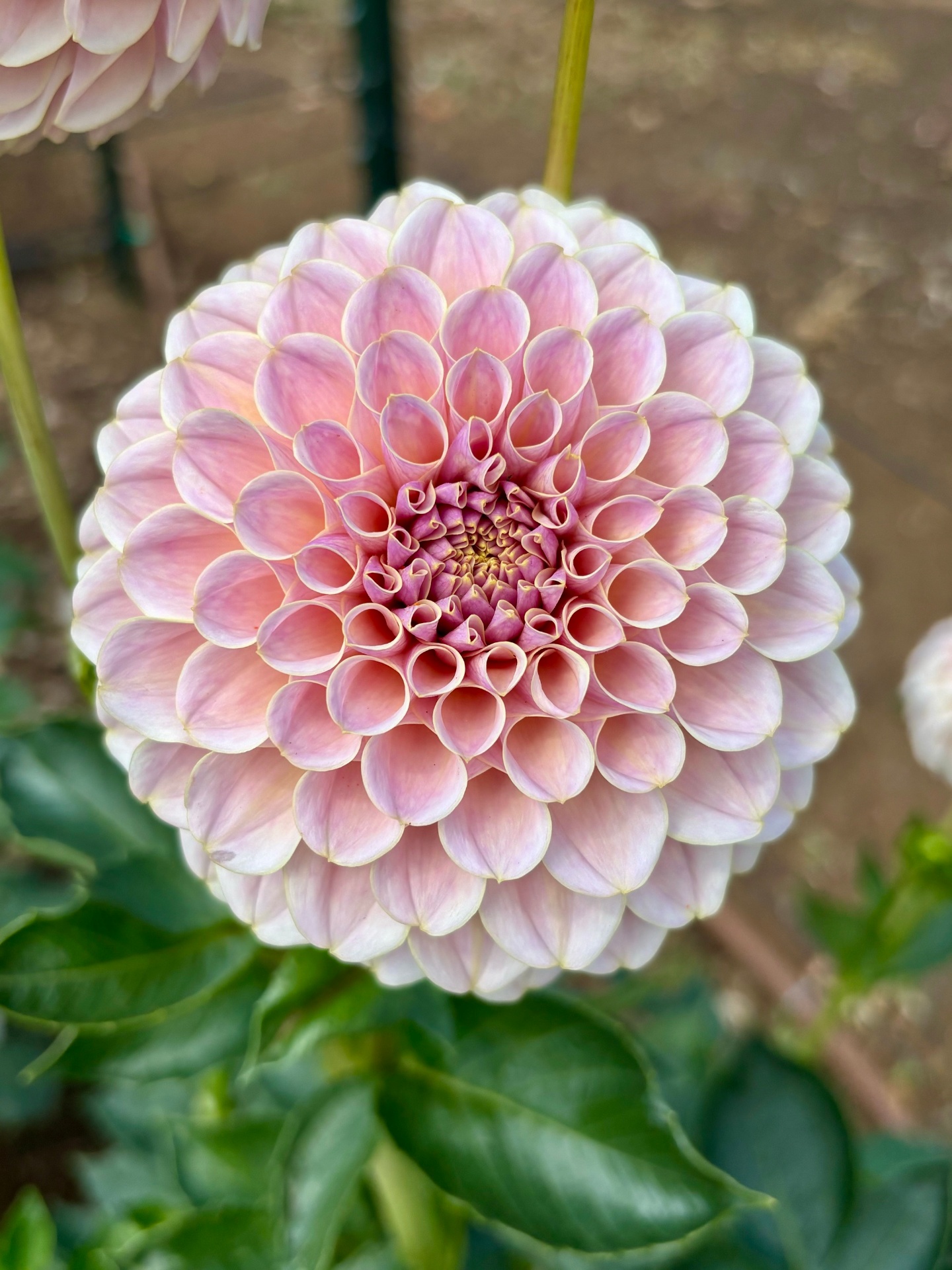
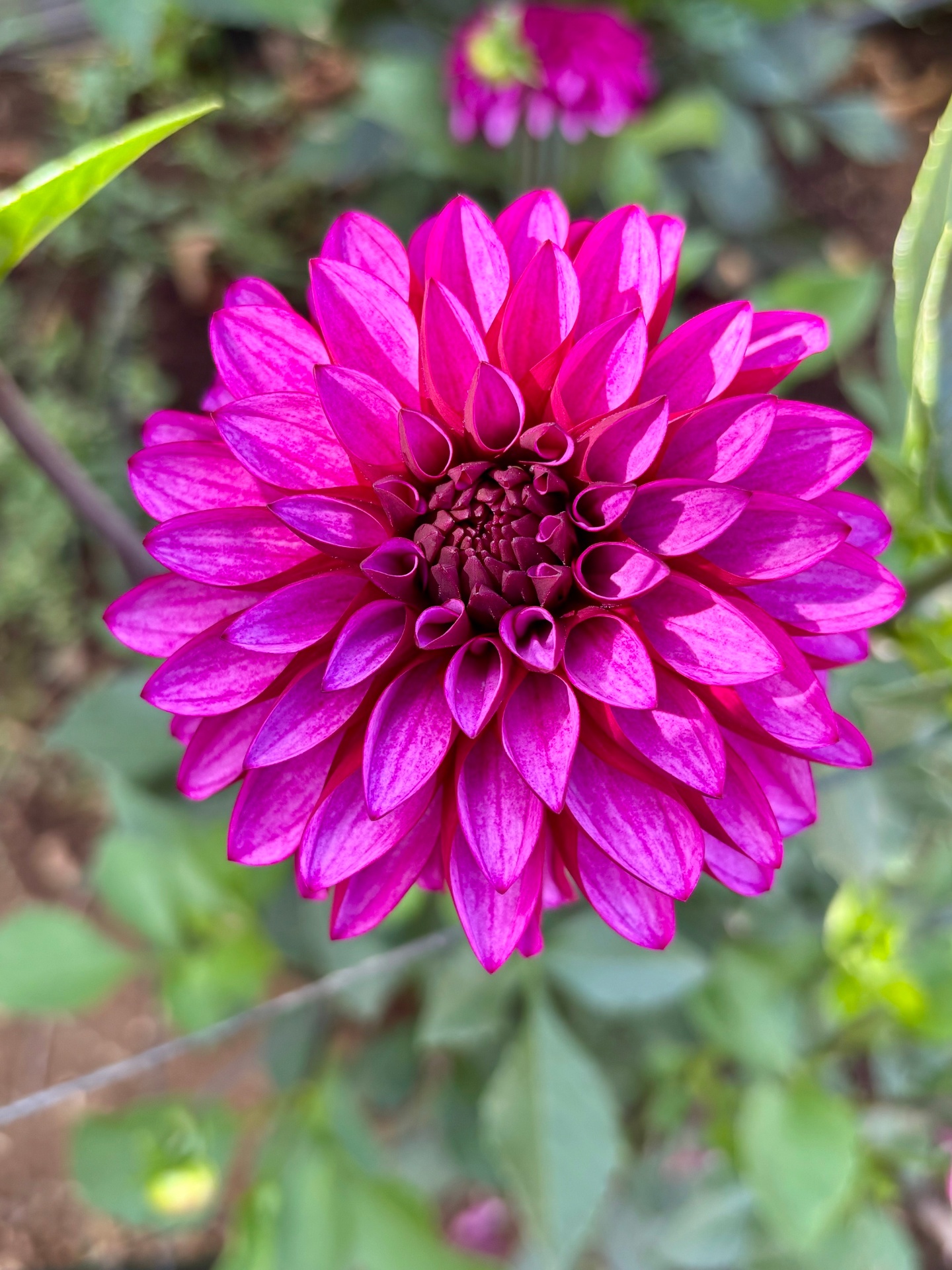
Pompons are miniature balls — usually under two inches across — with the same packed, geometric form. They're charming on the plant and useful as accent stems in arrangements. A row of pompons in mixed colors is one of the most cheerful things in a late-summer cutting garden.
Waterlily dahlias are fully double like decoratives, but with broader, more sparsely arranged petals that curve up at the edges — giving the bloom the open, cupped silhouette of a waterlily on the pond. They've been highly sought after the last couple of years for their peony-style look, and it's easy to see why: the shape feels elegant and slightly old-fashioned, with shorter petal counts that show off the flower's depth.
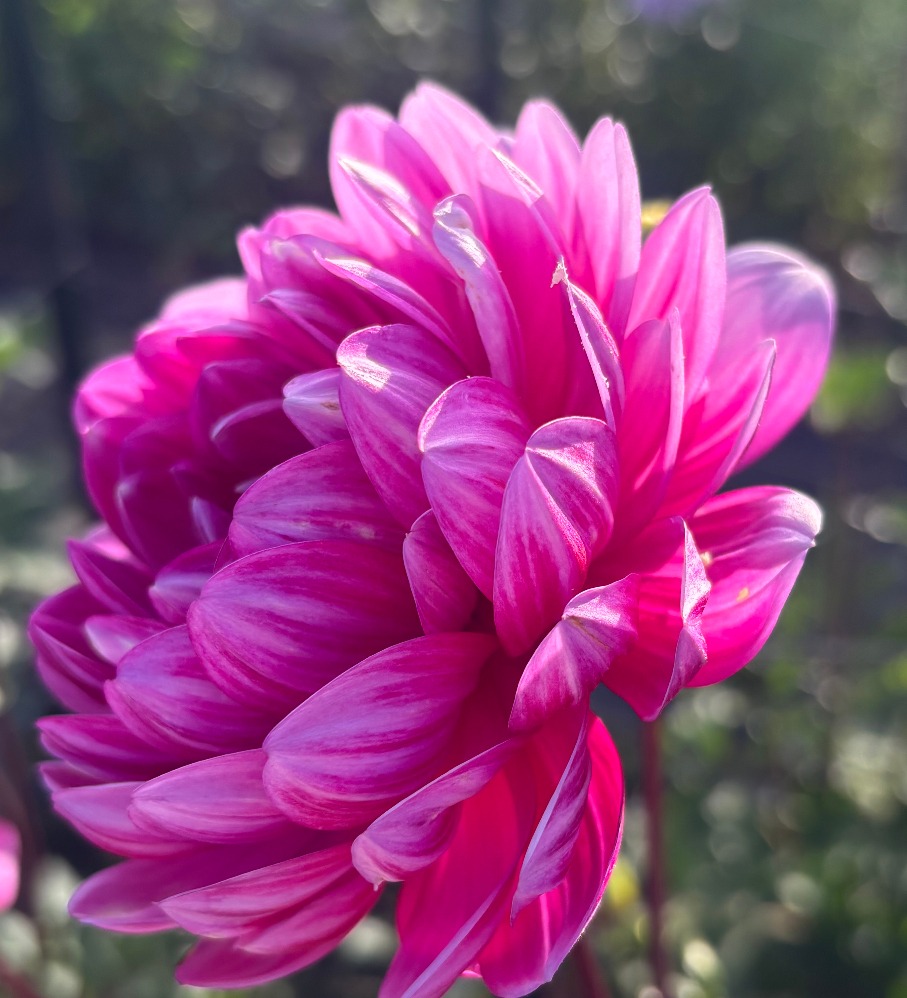
Cactus and semi-cactus dahlias have narrow, pointed petals that roll backward into spikes, giving the bloom a sea-anemone, slightly wild quality. They feel more textural than decorative dahlias and pair beautifully with looser garden styles. Karma Fuchsiana and Nuit d'Été are gorgeous examples.
Collarette dahlias have a single outer ring of flat petals around an open center, with a second inner "collar" of shorter, often contrasting petaloids encircling the yellow stamens. They are pollinator magnets — bees and butterflies work them all afternoon — and the two-tone collar makes them some of the most distinctive blooms in the garden. Night Butterfly and Pooh are favorites.
Anemone-flowered dahlias have a ring of flat petals around a dense, raised center of tubular florets, giving them a distinctive two-tier look. They are unusual, modern-feeling, and stand out in mixed plantings.
Which to choose depends on what you want them for. For the longest season of cut flowers, plant a mix: a few dinnerplates for drama, a row of decoratives and balls for everyday bouquets, and some collarettes for the bees. For a smaller garden, ball-form dahlias give you the best ratio of bloom count to plant size. There's no wrong answer — but knowing the forms turns shopping the catalog from guessing into choosing.