Roses
Caring for roses in extreme summer heat
August 2026 · 5 min read
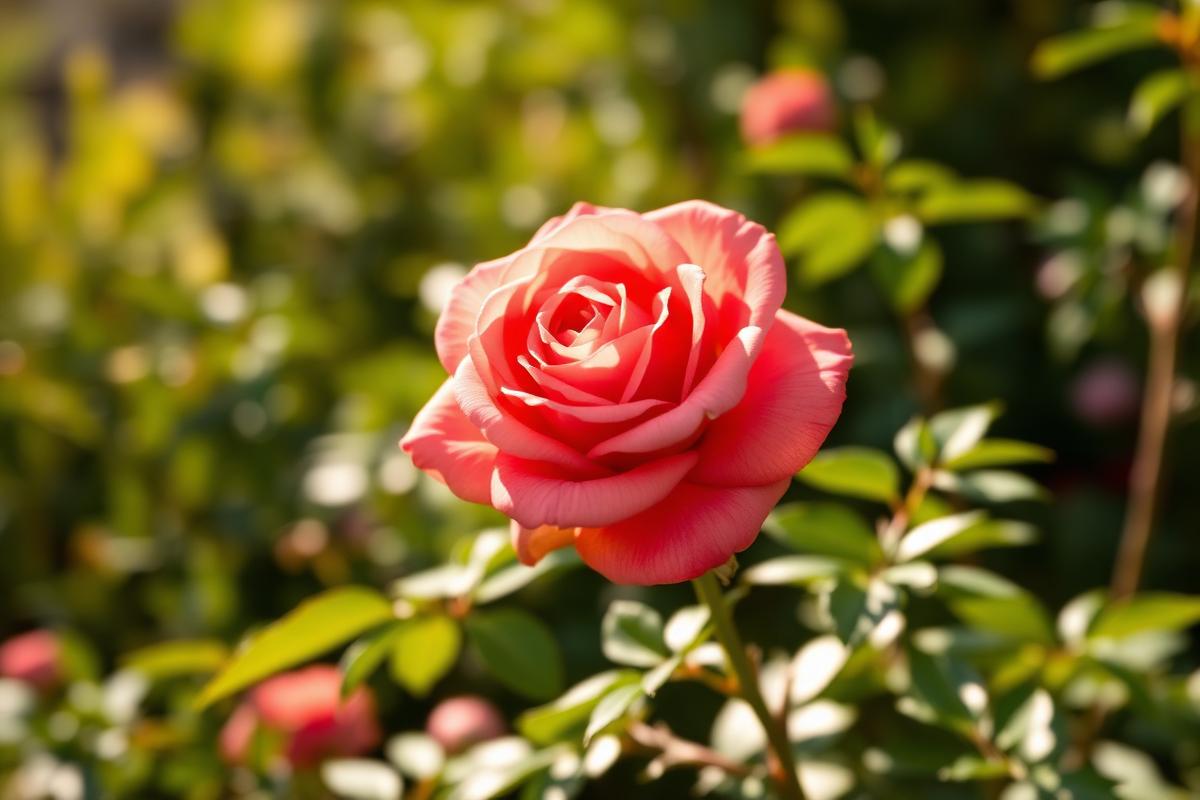
Extreme heat changes the rules in the rose garden. Blooms open faster, fade sooner, and the plant spends more energy staying cool than making flowers. A few small shifts in timing and technique can keep your roses looking good and feeling even better when the temperature spikes.
1. Water deeply before the sun gets high. The best time to water in a heat wave is early morning, when the soil can absorb a long, slow drink before evaporation takes over. Aim for the root zone, not the leaves — wet foliage in blazing sun can scorch, and wet foliage at night invites disease. A soaker hose or drip line at the base of the bush is the kindest method. If you must use a sprinkler, water early enough that leaves dry before midday.
2. Mulch like you mean it. A two- to three-inch layer of organic mulch — shredded bark, compost, or straw — is the single best thing you can do for roses in heat. It keeps the root zone cool, slows moisture loss, and keeps the fine surface roots from baking. Leave a small gap around the base of the canes so the crown can breathe, and top off the mulch midseason if it has broken down.
3. Give afternoon shade during heat waves. Roses love sun, but there is a difference between full sun and a heat dome. If your garden is pushing 95°F or higher for several days, a little temporary afternoon shade helps enormously. A lightweight shade cloth over a frame, a patio umbrella moved into place, or even a taller neighboring plant can cut the intensity just enough to prevent petal scorch and leaf drop.
4. Deadhead in the cool of the day. Removing spent blooms tells the plant to keep producing new flowers instead of setting hips. In extreme heat, do this early in the morning or after the sun has dropped. Cut back to a five-leaflet leaf with a healthy bud in the axil — that's your next stem. Avoid heavy pruning in the middle of a heat wave; the plant is already working hard and doesn't need the extra stress.
5. Hold the fertilizer when it's scorching. It feels counterintuitive, but fertilizing a heat-stressed rose can do more harm than good. High-nitrogen feeds push tender new growth that wilts fast and burns easily. Wait until temperatures drop back into the 80s, then give a light, balanced organic feed or a dose of compost tea. Roses in heat need support, not a growth surge.
6. Cut blooms at dawn for the longest vase life. Roses harvested in the cool early morning are better hydrated and hold longer indoors. Choose stems where the outer petals have just started to loosen — tight buds may not open well in air conditioning, and fully open flowers will fade fast. Cut with sharp pruners, drop the stems straight into clean water, and let them rest in a cool spot before arranging.
Roses don't need perfect weather. They need a gardener who adjusts with the weather.
Extreme heat is hard on roses, but it doesn't have to mean the end of the season. Deep water, good mulch, a little shade, and the right timing will carry most bushes through the worst of it. When the temperatures finally break, you'll find them ready to flush again — often with some of the most generous blooms of the year.